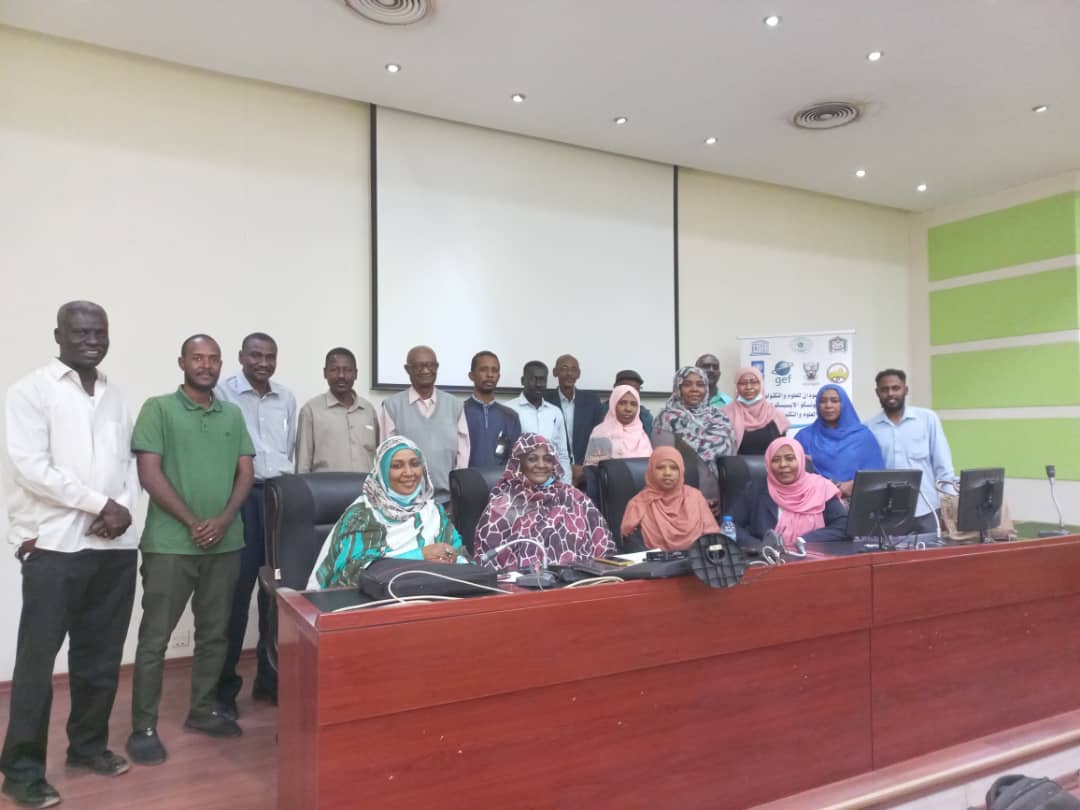
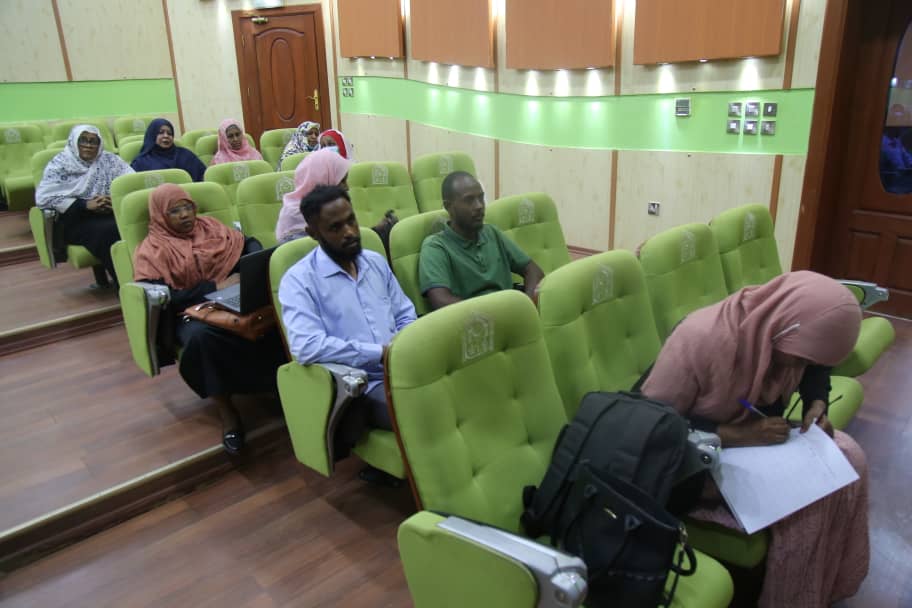
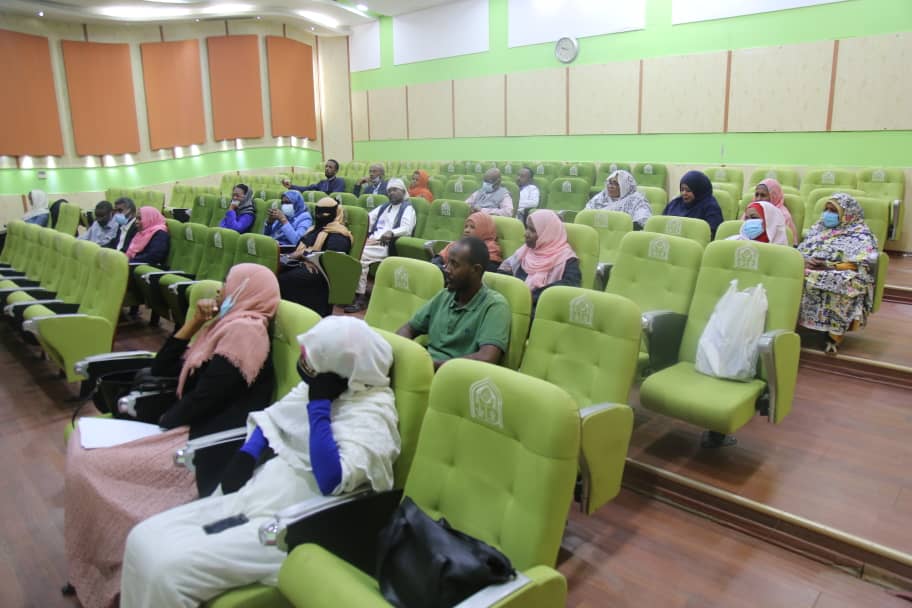
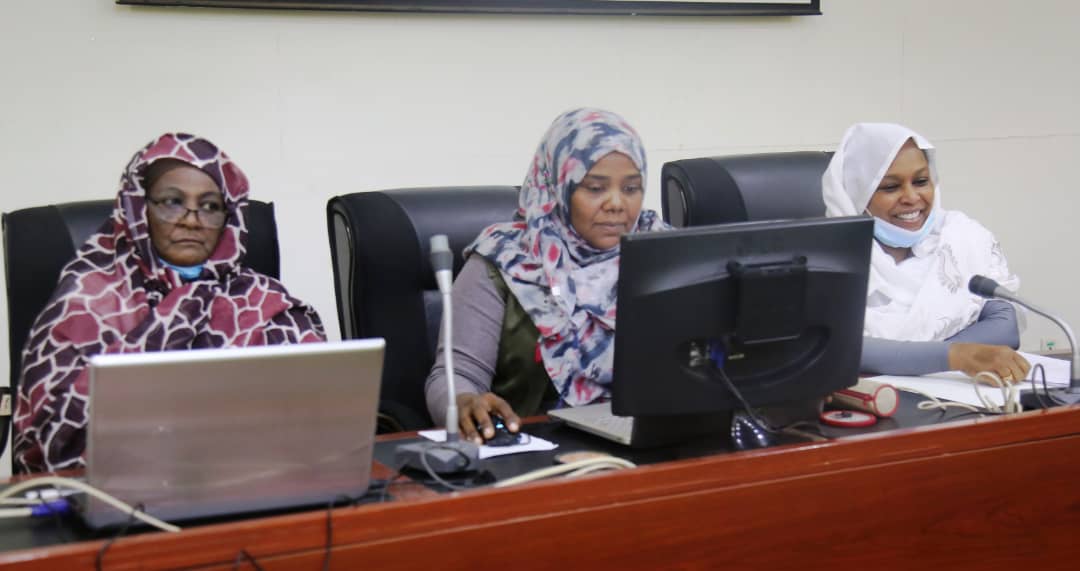
An Organized Workshop on Climate Change and its Impact on Women in Natural Reserves

In collaboration with Strengthened Protected Areas System and Integrated Ecosystem Management in Sudan, the UNESCO Chair for Women, Science & Technology organized a scientific workshop titled

"Climate Change and Environmental Adaptation and its Impact on Empowering Women in Natural Reserves",

The workshop is within the framework of the project to strengthen the system of protected areas and integrated management of ecosystems in Sudan.

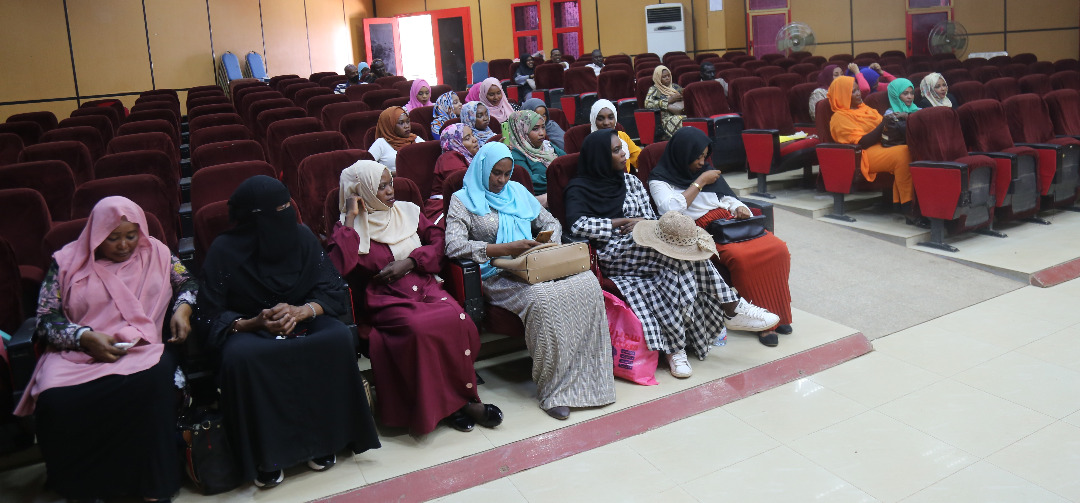
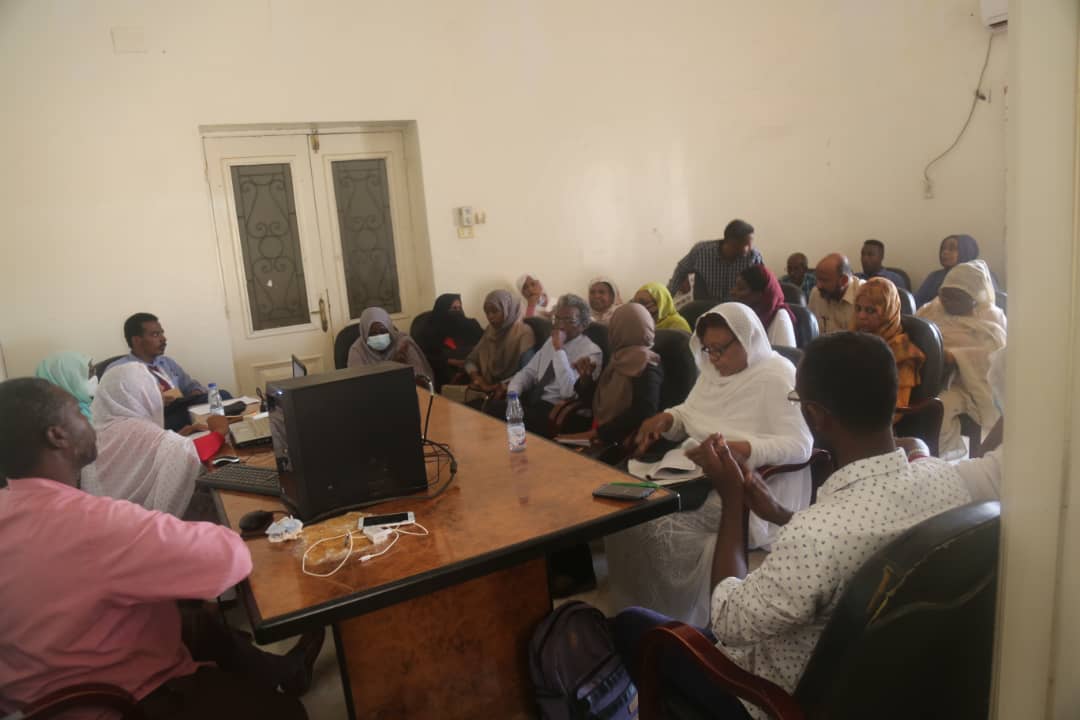
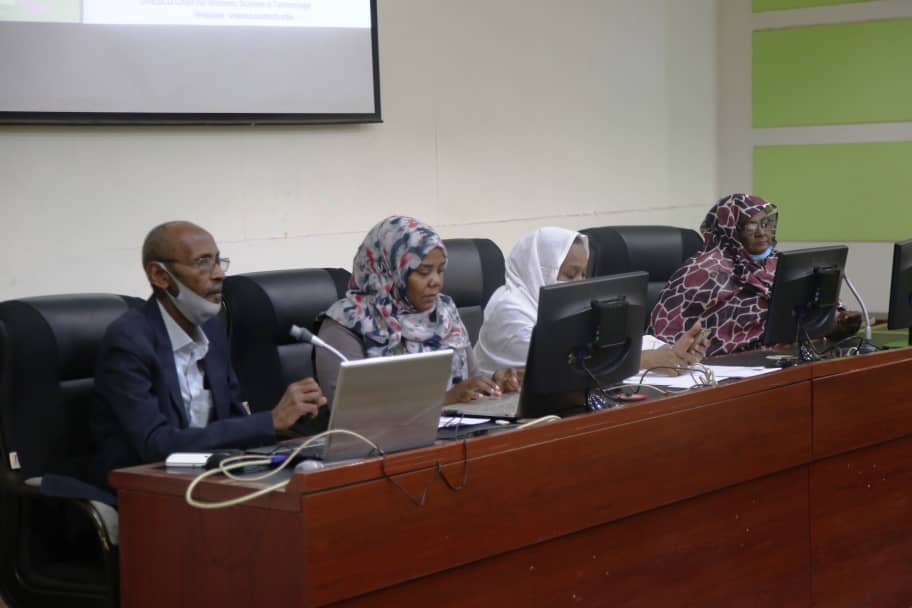
The workshop sessions were chaired by Professor Amel Omer Bakhiet, Dean of Scientific Research at SUST, and the panel members included Prof Amal Babiker Mohamed Ibrahim, Director of the UNESCO Chair at the University, and Dr. Ebtihal Haider Gismalla, Director of the E-learning Administration and the university’s Website Administration, Dr. Huda Osman Abdallah, Director of Public Relations and Media, and a large number of civil society organizations, national committees, institutions and related bodies, representatives of Sudanese universities and institutes, researchers and those interested in the field.

Prof Amel Omer Bakhiet expressed her happiness with the workshop and said the importance of the workshop is that it sheds light on the environment and climate and achieves the sustainable development goals that contribute to the protection of humanity because of its different dimensions in life in general.

She also indicated that there are many ways to protect nature and environmental diversity in terms of concerning humans and animals, the workshop also contributes to highlighting the role of women, defining them and making them aware of climatic diversity and linking this to scientific research that organizes and achieves the developmental dimensions and required modernization.

Prof Amal Babiker Mohamed Ibrahim, Director of the UNESCO Chair, spoke about the importance of integrating women into nature issues because they represent the most insightful element, in addition to monitoring all the natural changes that occur in different regions. Natural needs).

Prof Amal also indicated that the conflict over resources has become clear and obvious to the eyes as Sudan is rich in natural resources and the deterioration of the climate heralds many disasters, and she indicated that health and natural phenomena suffer greatly from women, in addition to the economic situation.

Dr. Ebtihal Haidar presented a paper on the intersection of gender, engineering, climate change, and natural reserves. She said "women are the most affected by climate changes", remembering the roles that women can play in adapting to climate and nature. She also presented scientific solutions that were linked to the engineering field and said "Decision- makers need to focus on women empowerment and projects that preserve the environment in a way that does not infringe on the rights and resources of future generations".

Dr. Abdel Bagi Elsayed Ali, from the college of Agricultural Studies, presented an invited paper on "Beekeeping and Apiaries in Protected Areas within the Framework of Empowering Women and Promoting Integrated Environmental Management" reviewing the past, present and future of honey bee breeding in Sudan, as an open sources and its role in the development of natural reserves.

Dr. Hala Ahmed Hassan, Dr. Gammer Eldien AbdelRahman Ibrahim and Mohammed Ibrahim Abdelsalam Fdial from the college of Forestry and Range Science, presented an invited paper on "The Impact of Climate Change on Pastoral Women in Protected Environments".

Dr. Nagat Ahmed Mohamed, dean of Libraries Affairs at SUST, with the participation of Dr. Raya Al-Faki Mohamed Ahmed, presented a scientific paper on "Mobile Libraries and Their Role in Developing and Raising Information Awareness for Rural Women".

Dr. Rania Eltahir Abood, from the college of Education, presented an invited paper on "School Learning and Participatory Work to Adapt to Climate Change and Its Role in Strengthening Protected Areas and Integrated Management of Ecosystems".

At the end of the workshop, recommendations were reviewed, the most prominent of which came as a belief in the need to raise awareness and educate the community about natural reserves and documenting them, and to involve all community institutions in protecting nature reserves, disseminating information, curricula and research that reflect the importance of nature reserves, creating digital repositories to provide information and data about protected areas in Sudan.
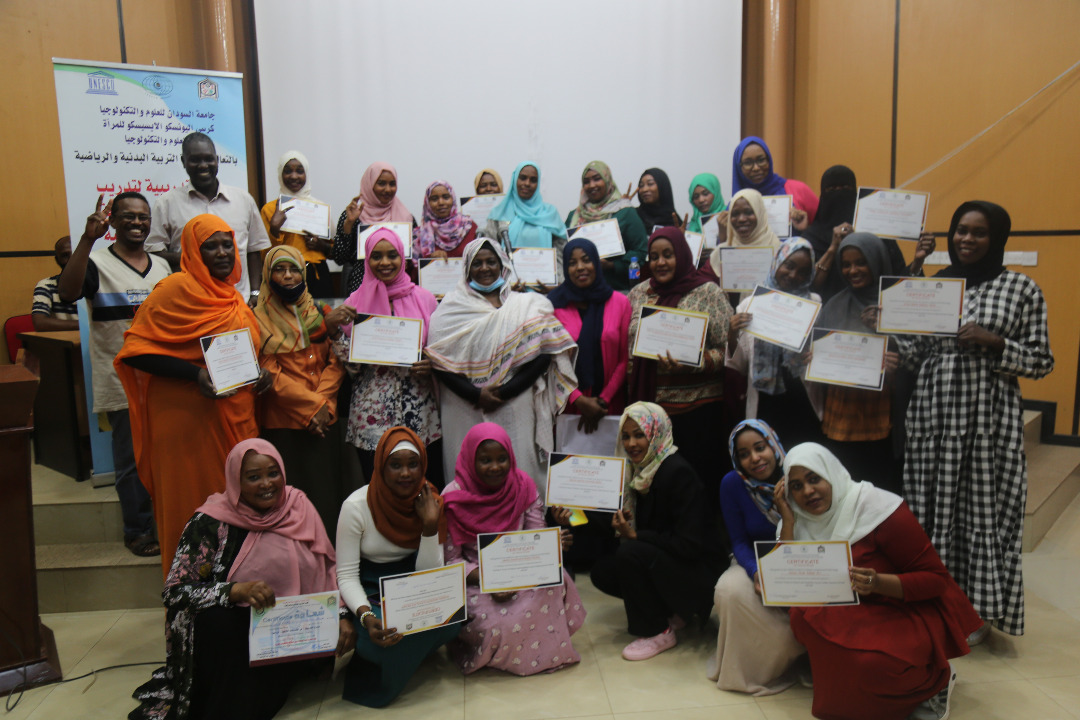
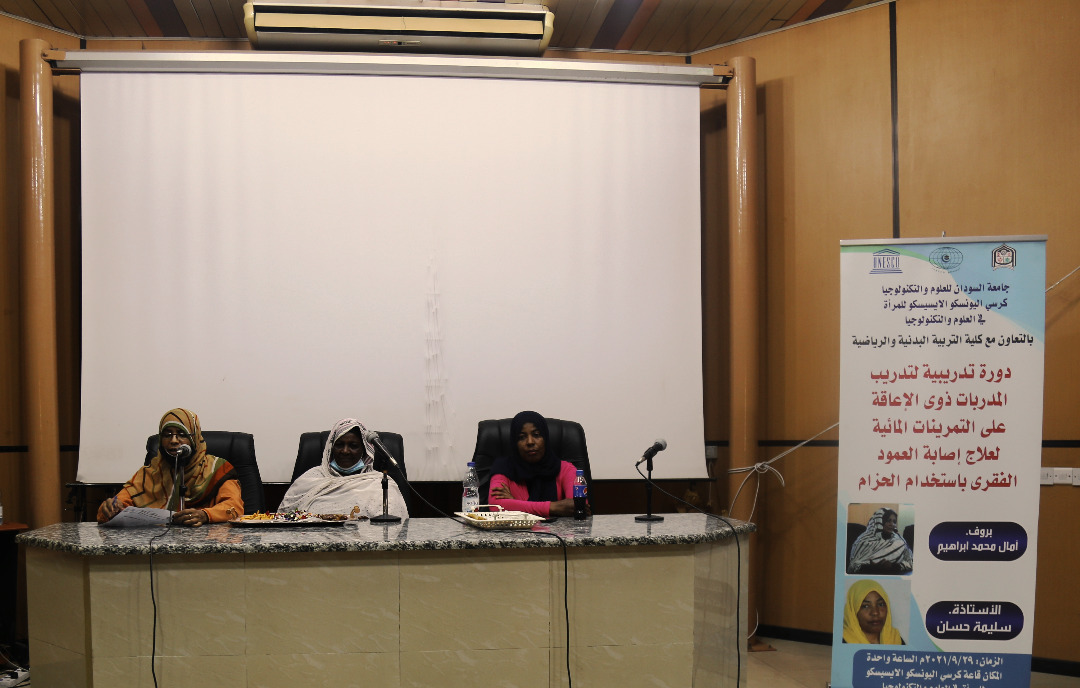
A ToT Course for Females on Water Exercises for Individuals with Disabilities

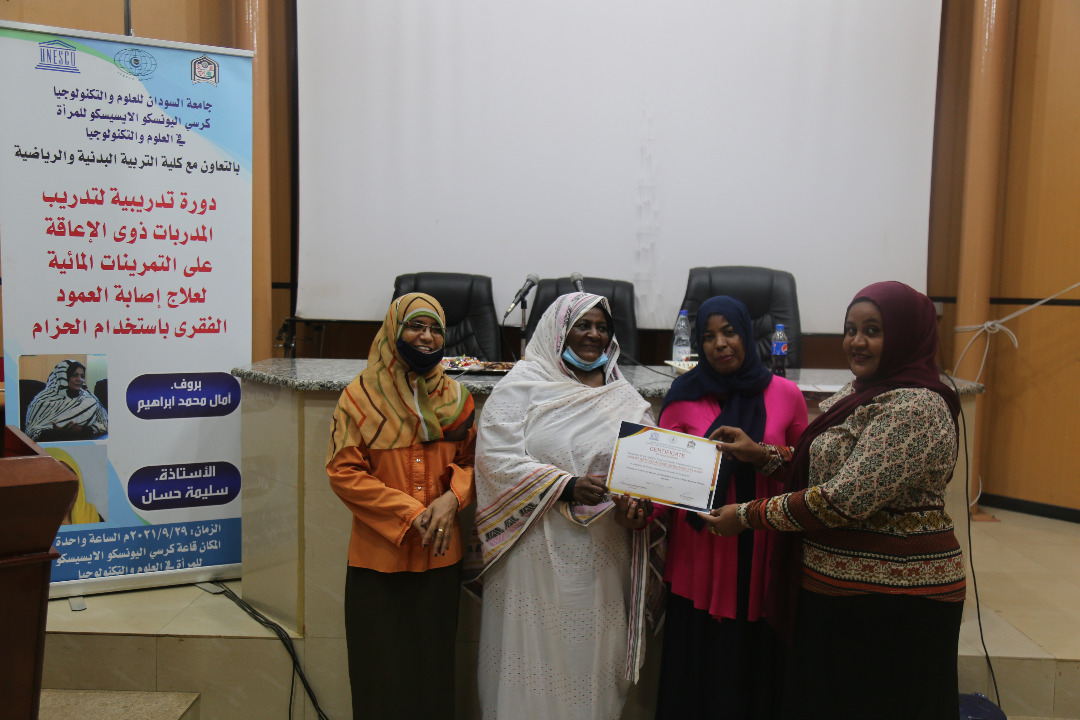
The closing ceremony was held, in the main campus, for the training course for female trainees on "water exercises for disabled individuals" using the medical belt for people with disabilities. The course was organized by UNESCO-ISESCO Chair for Women in Science and Technology in cooperation with the College of Physical Education and Sports from 30/9 to 16/10/2021. The ceremony was attended by Prof. Amal Mohamed Ibrahim Babiker, UNESCO chairholder, Dr. Tayseer Mohamed El-Amin, representative of the Deanship of Scientific Research.

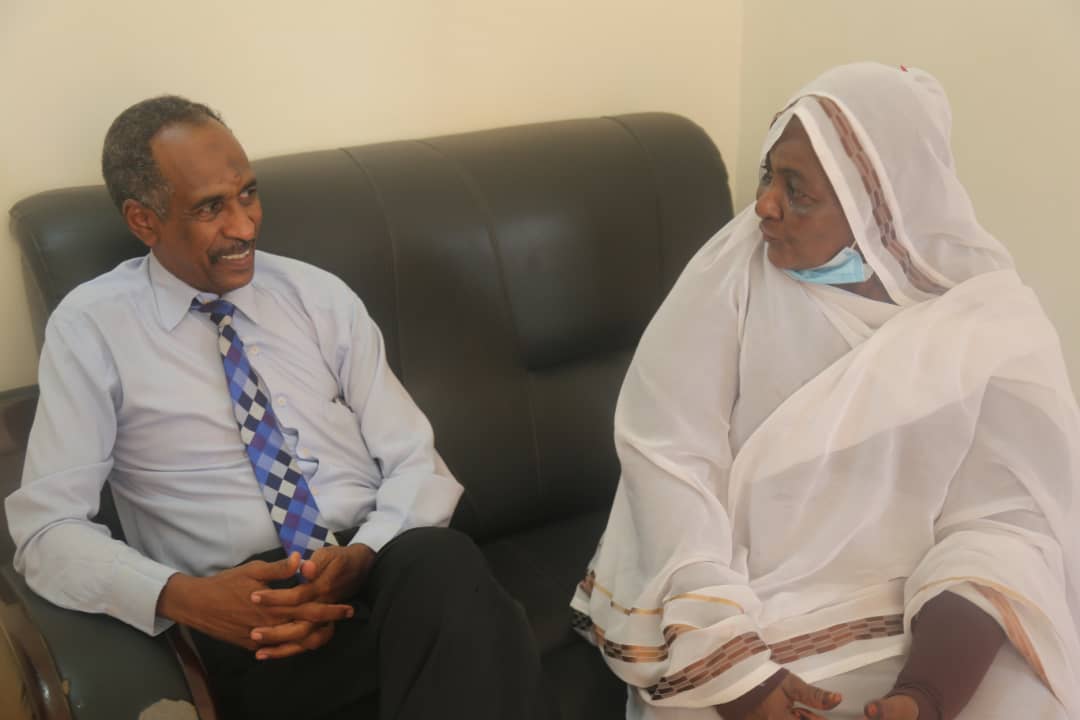
Prof. Amal Mohamed Ibrahim Babiker expressed her happiness with the training course due to its importance, privacy and targeting of an important segment of society. "We must provide large numbers of experiences in the field of physical therapy and hydrotherapy in the middle of the belt, which positively affects the health of people with disabilities", she added.

She also revealed that the training utilized the swimming pool at the college of Physical Education and Sports, and that through the training course, 29 female employees of the university were targeted over a period of three weeks, noting that this work should be enhanced further by introducing many partnerships with relevant institutions.

Prof. Amal Babiker also noted the need to deal with the means and centers of scientific research to convey ideas and visions and exchange knowledge about the process of modernization and development.

Prof. Amal Babiker also indicated that training opportunities provide work spaces for earning a living and a decent livelihood. She also promised that the upcoming courses will be advanced in the same field and will accommodate young candidates of both sexes for the benefit of all. At the end of the celebration, certificates were distributed to the trainees, amid the interaction and happiness of all attendees.

A Workshop on Women’s Role in Manufacturing

Prof. Amal Babiker Mohamed Ibrahim, chairholder of UNESCO ISESCO Chair in Women, demanded the necessity of working in the field of agricultural industrialization during the agricultural seasons, which leads to abundance, stability and benefit from the added value of resources, where the main issue being that a lot of vegetables and fruits are wasted due to poor storage and preservation. This was pointed out during the workshop on "Women's Role in Agricultural Manufacturing", which was held by the chair.

Prof. Amal Ibrahim also pointed out that the Chair carried out a number of studies during the past year that resulted in projects that need only funding. She called for the necessity of establishing seasonal camps to facilitate the use of the existing crops for local consumption and export, and to stop wasting hard currencies.

Mr. Omar Ibrahim Babiker, representative of the Egyptian Agricultural Bank, praised the chair's initiative in the field of rural development, especially for women and the Agricultural Bank supports this development in all parts of Sudan through the Agricultural Bank of Sudan Microfinance Initiative (ABSUMI).

It is noteworthy that the workshop was attended by a qualitative presence of representatives of the Central Bank of Sudan, the General Secretariat of the Zakat Office and the Ministry of Animal Wealth, Agriculture, Agricultural Wealth, Livestock and Livestock Resources.

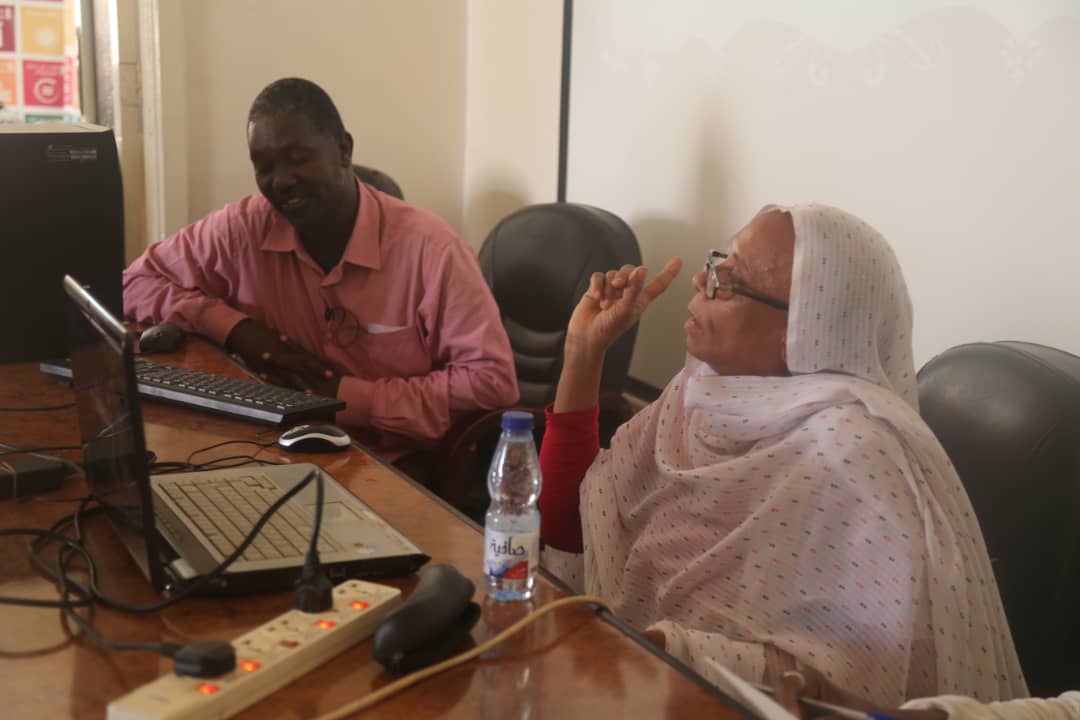
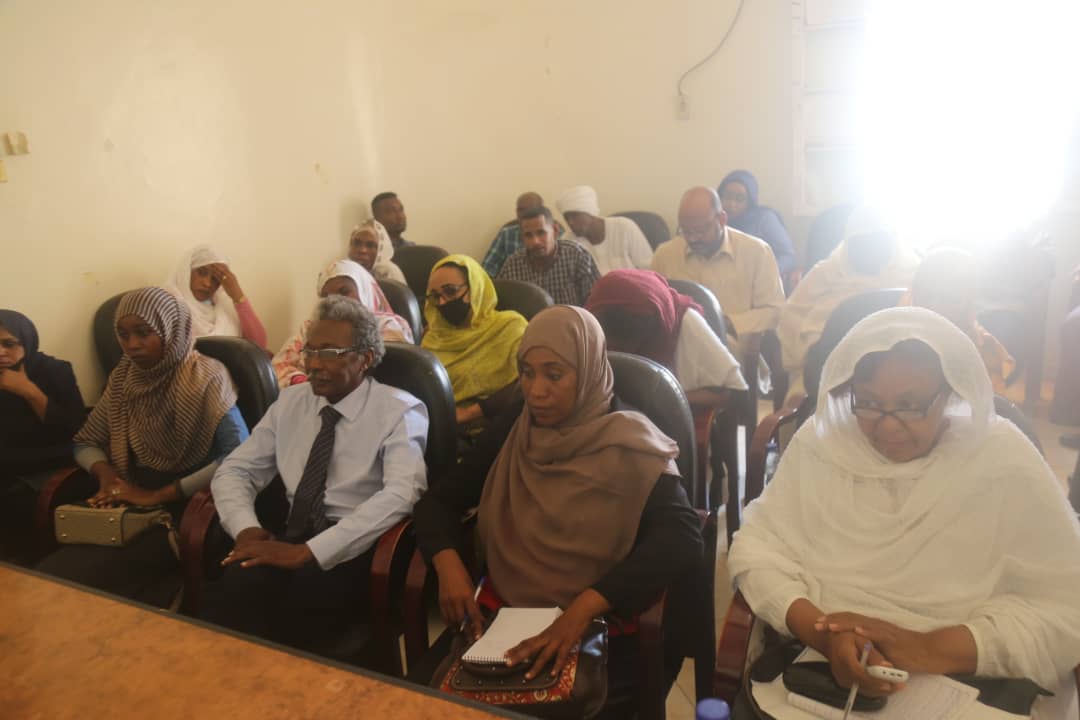
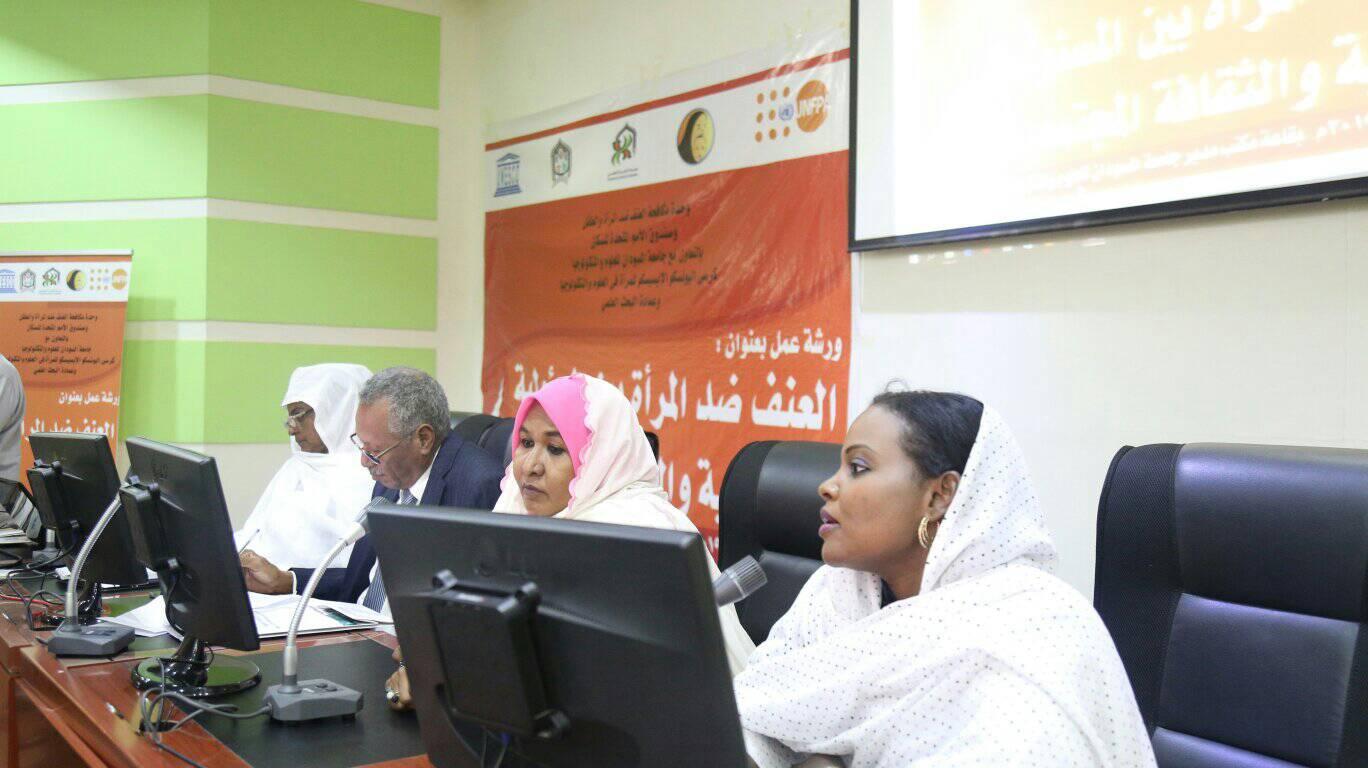
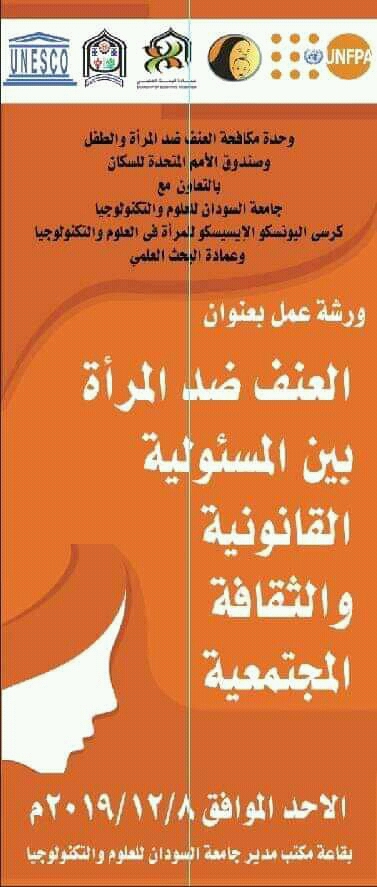
UNESCO Chair Workshop: Violence Against Women Between Legal Responsibility and Societal Culture

The UNESCO Chair for Women in Science and Technology and the Deanship of Scientific Research at Sudan University of Science and Technology, in cooperation with the Unit for Combating Violence Against Women and Children and the United Nations Population Fund, organized a workshop entitled

Violence against women between legal responsibility and societal culture

with the presence of Prof Awad Saad Hassan, vice chancellor of the University, Prof Mahdi Abbas Shikak, deputy vice chancellor, Prof Amal Omar Bakhit, Dean of the Deanship of Scientific Research, Prof Amal Muhammad Ibrahim, Director of the UNESCO Chair, and Prof Salima Ishaq, Director of the Violence Against Women and Children Unit, and a group of specialists in the field, university professors and interested parties.


Prof Shikak emphasized that women represent great value in their intellectual and competitive capabilities in all forums, and said that women's rights should be known and the culture of combating violence against women in all its forms should be known and awareness of this and respect for their role is considered a responsibility for everyone


He also noted that women represent 60% of the working staff at the university, which is an indication of the importance of its pioneering role in building and reviving societies.


Professor Amal Omar Bakhit expressed her happiness at the holding of the workshop and showed that caring for women and believing in their effectiveness must be faced with preserving their rights and directing society to reject violence and circumvent their different roles .. She said that we in scientific research document all topics in a scientific way and search for solutions to all problems and various aspects of science and its forms with Highlight it to lift damage.


Prof Amal Omar Bakhit expressed her happiness at the workshop and showed that caring for women and believing in their effectiveness must be faced with preserving their rights and directing society to reject violence. She said that in scientific research, they document all topics using scientific methods and search for solutions to all problems and highlight it to lift damage.


Prof Amal Muhammad Ibrahim called on all groups and segments of society to stop the atitudes of marginalizing and reducing the status of women, and she said that awarness must be raised against the practice of violence against women, in addition to combating it and defining its damages. She explained that the slogan of #Hanabniyeho (we will built it) should be embodied in protecting rights and achieving social justice and rejecting violence in general and against women in particular. She also talked about their great ambition to establish a center to aid Sudanese and African women who do not enjoy their human rights in society.


Ms. Dalal Siddiq, representative of the UNESCO office in Khartoum, indicated that violence represents a clear and clear violation of human rights, noting that it has long-term social, cultural, psychological and moral implications, and indicated that UNESCO organizes an annual campaign in Sudan to coincide with the International Day for the Elimination of Violence against Women in December.


Incoming Workshop: Violence Against Women Between Legal Responsibility and Societal Culture


Shares