An Organized Workshop on Climate Change and its Impact on Women in Natural Reserves

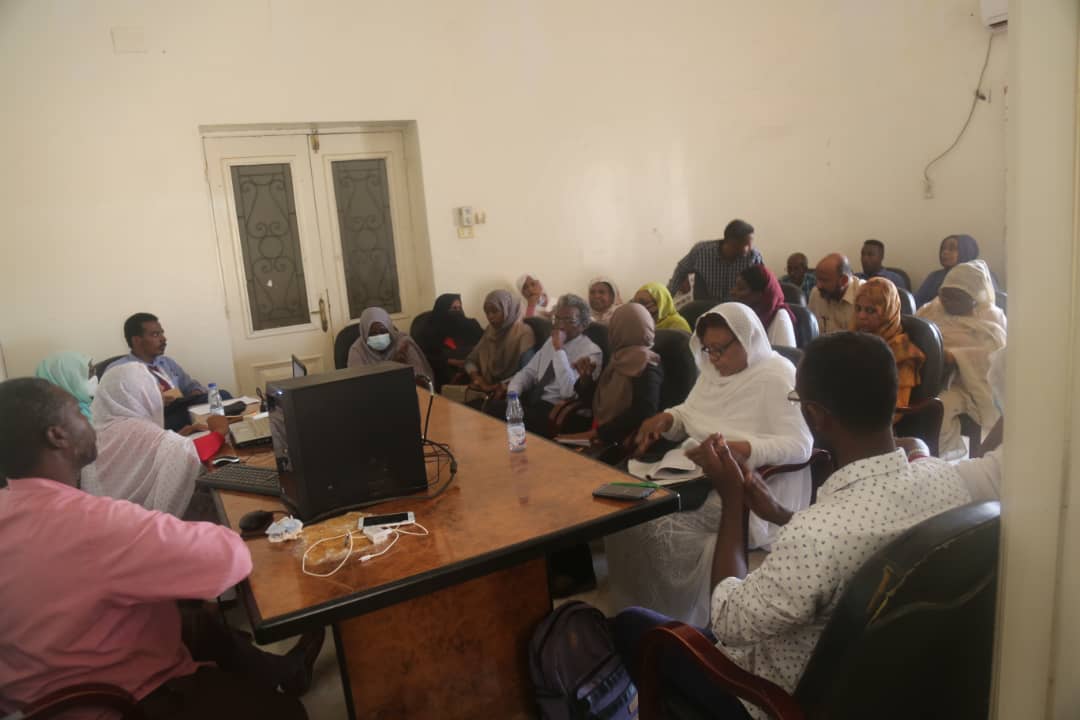
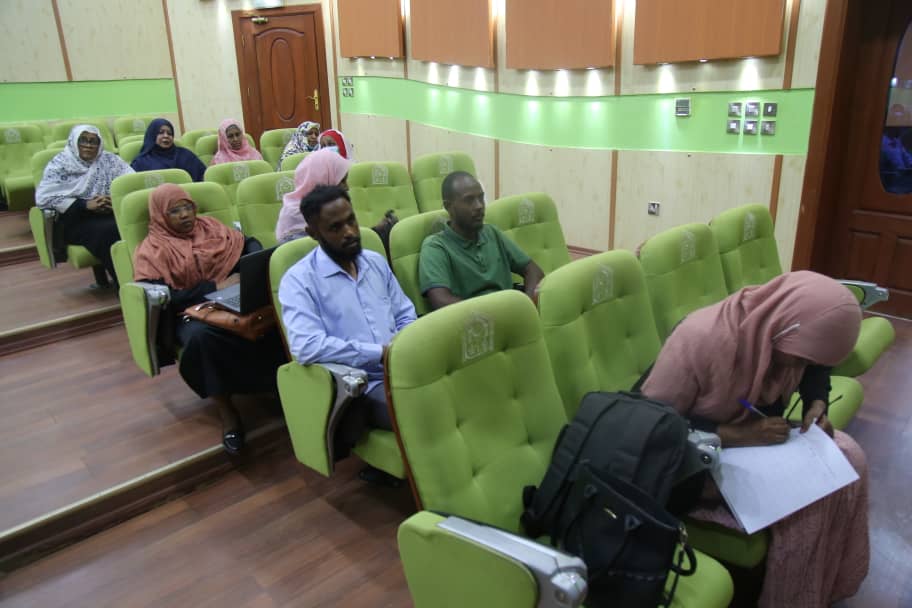
In collaboration with Strengthened Protected Areas System and Integrated Ecosystem Management in Sudan, the UNESCO Chair for Women, Science & Technology organized a scientific workshop titled

"Climate Change and Environmental Adaptation and its Impact on Empowering Women in Natural Reserves",

The workshop is within the framework of the project to strengthen the system of protected areas and integrated management of ecosystems in Sudan.

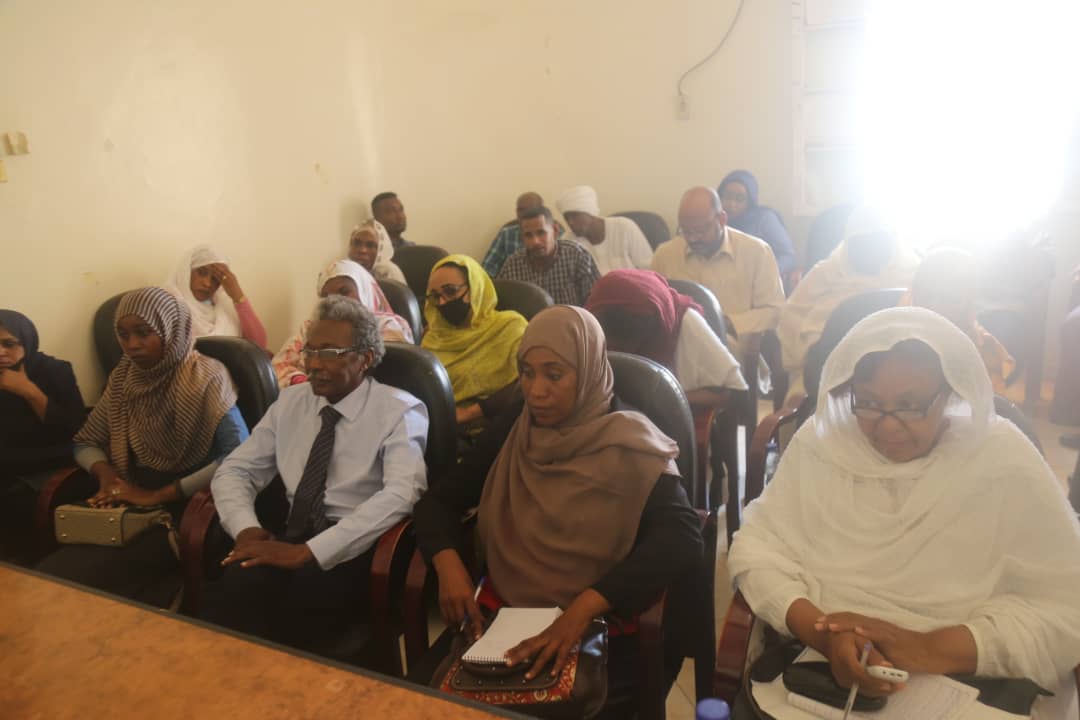
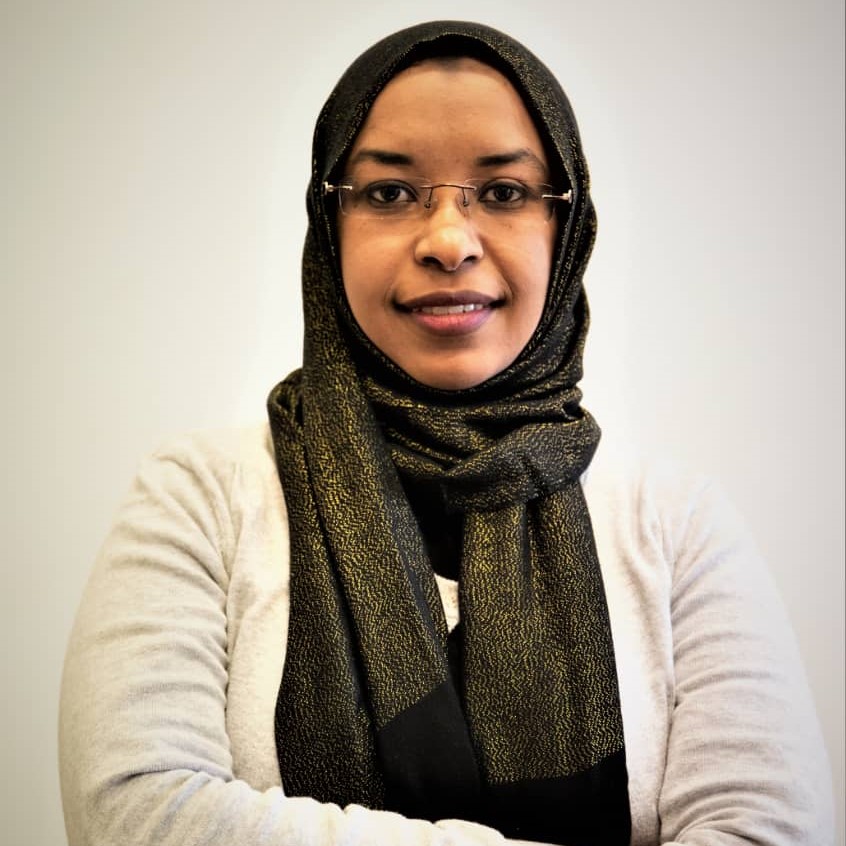
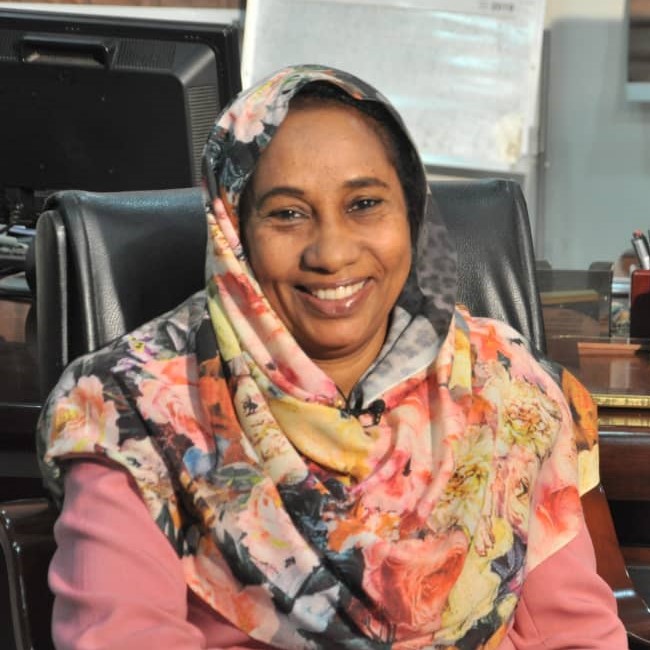
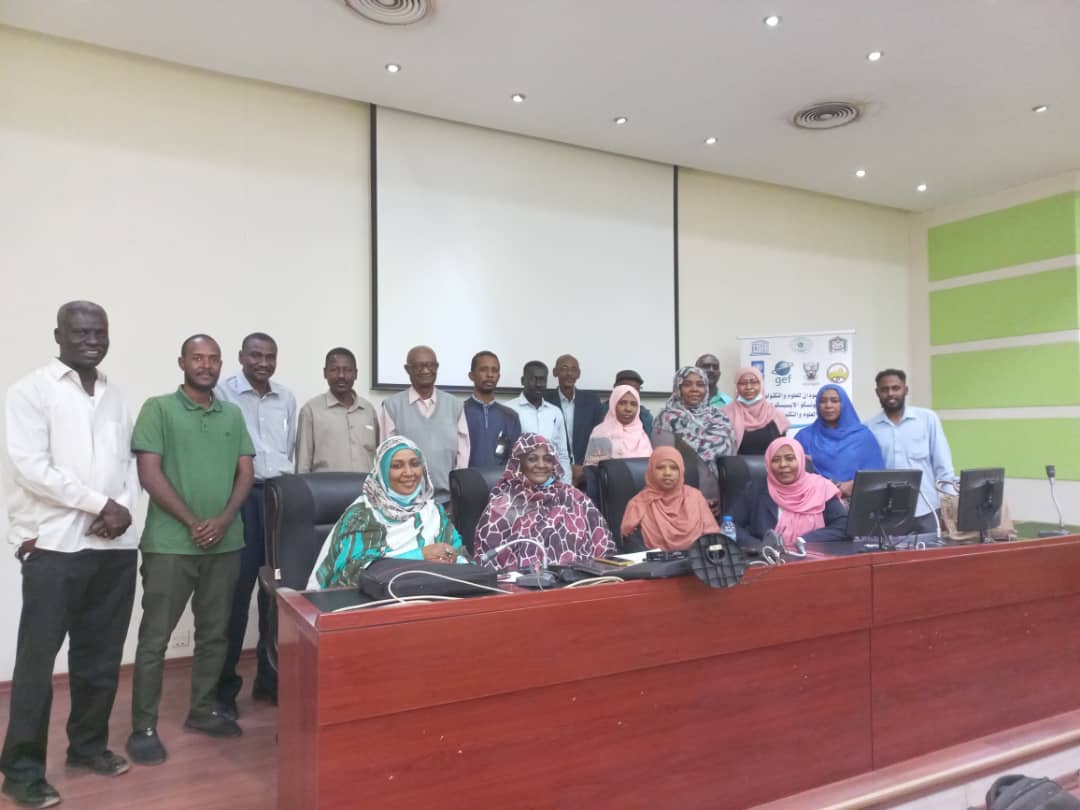
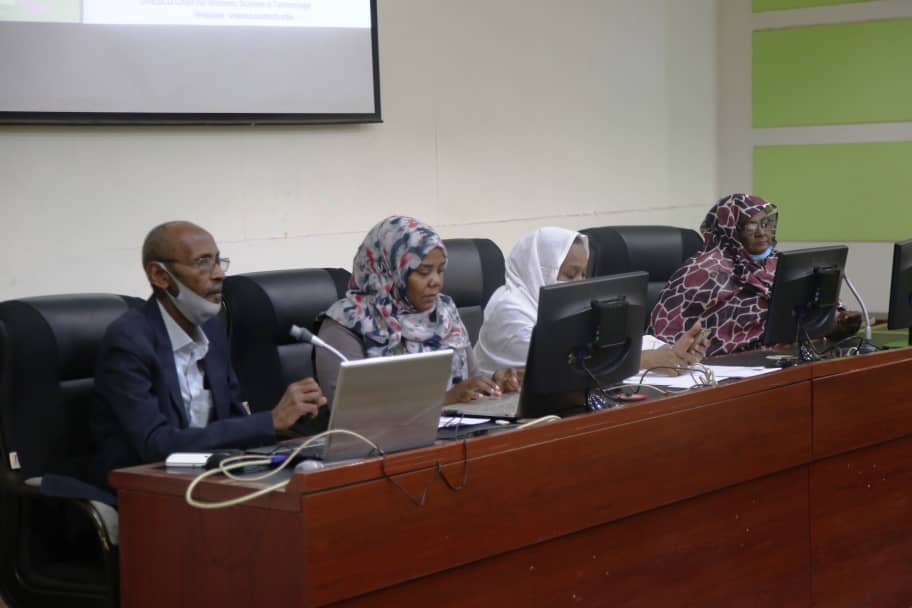
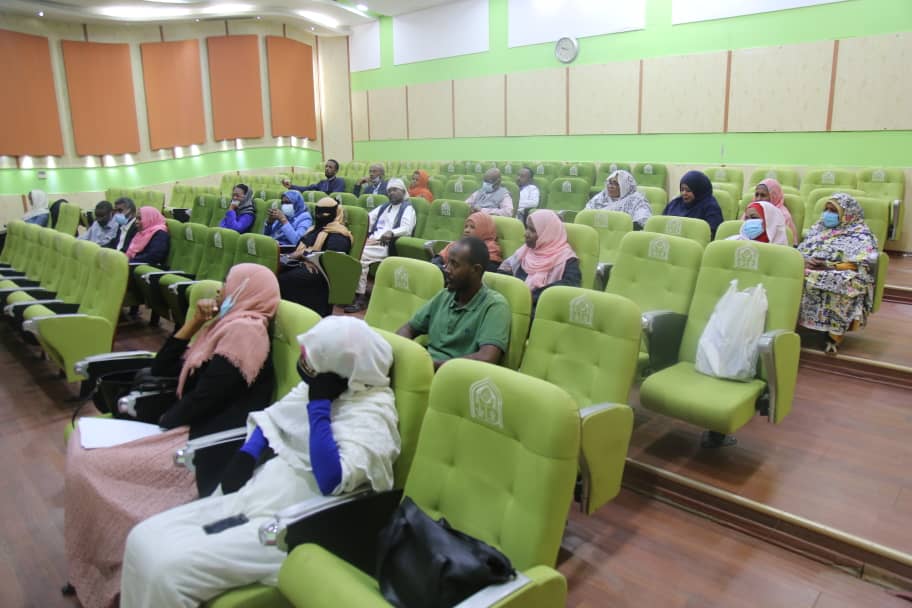
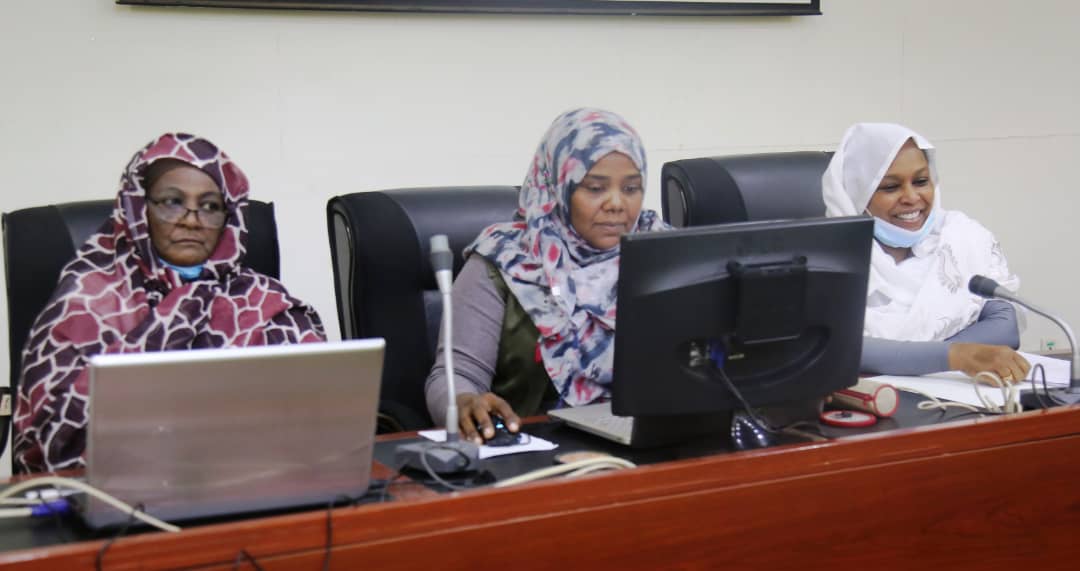
The workshop sessions were chaired by Professor Amel Omer Bakhiet, Dean of Scientific Research at SUST, and the panel members included Prof Amal Babiker Mohamed Ibrahim, Director of the UNESCO Chair at the University, and Dr. Ebtihal Haider Gismalla, Director of the E-learning Administration and the university’s Website Administration, Dr. Huda Osman Abdallah, Director of Public Relations and Media, and a large number of civil society organizations, national committees, institutions and related bodies, representatives of Sudanese universities and institutes, researchers and those interested in the field.

Prof Amel Omer Bakhiet expressed her happiness with the workshop and said the importance of the workshop is that it sheds light on the environment and climate and achieves the sustainable development goals that contribute to the protection of humanity because of its different dimensions in life in general.

She also indicated that there are many ways to protect nature and environmental diversity in terms of concerning humans and animals, the workshop also contributes to highlighting the role of women, defining them and making them aware of climatic diversity and linking this to scientific research that organizes and achieves the developmental dimensions and required modernization.

Prof Amal Babiker Mohamed Ibrahim, Director of the UNESCO Chair, spoke about the importance of integrating women into nature issues because they represent the most insightful element, in addition to monitoring all the natural changes that occur in different regions. Natural needs).

Prof Amal also indicated that the conflict over resources has become clear and obvious to the eyes as Sudan is rich in natural resources and the deterioration of the climate heralds many disasters, and she indicated that health and natural phenomena suffer greatly from women, in addition to the economic situation.

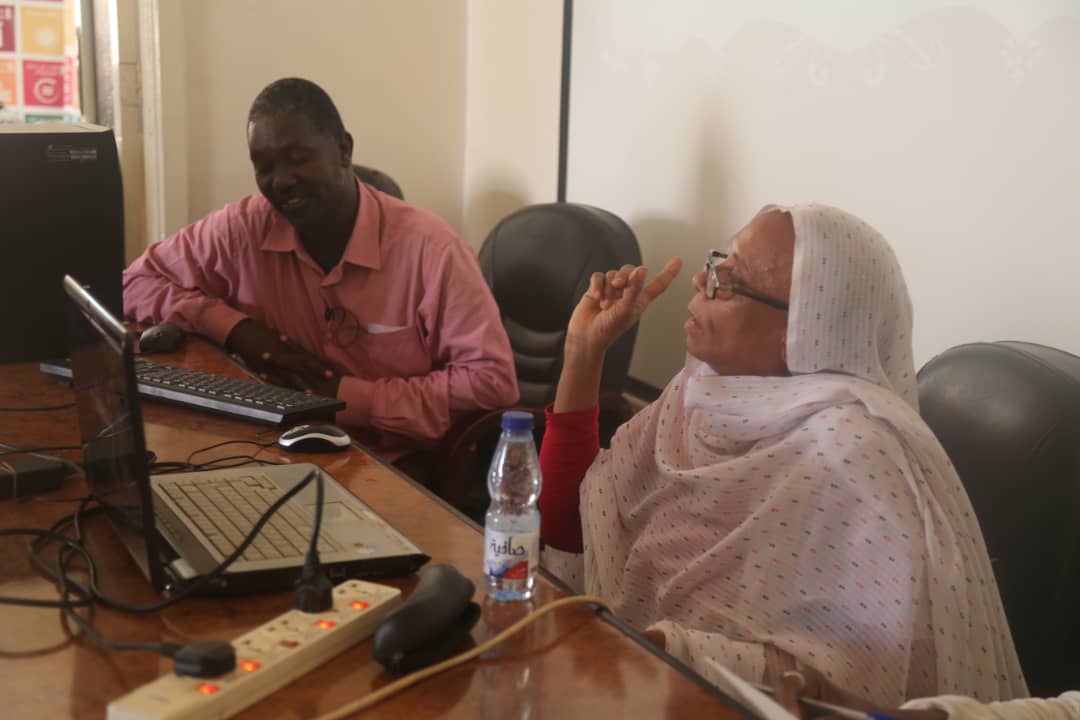
Dr. Ebtihal Haidar presented a paper on the intersection of gender, engineering, climate change, and natural reserves. She said "women are the most affected by climate changes", remembering the roles that women can play in adapting to climate and nature. She also presented scientific solutions that were linked to the engineering field and said "Decision- makers need to focus on women empowerment and projects that preserve the environment in a way that does not infringe on the rights and resources of future generations".

Dr. Abdel Bagi Elsayed Ali, from the college of Agricultural Studies, presented an invited paper on "Beekeeping and Apiaries in Protected Areas within the Framework of Empowering Women and Promoting Integrated Environmental Management" reviewing the past, present and future of honey bee breeding in Sudan, as an open sources and its role in the development of natural reserves.

Dr. Hala Ahmed Hassan, Dr. Gammer Eldien AbdelRahman Ibrahim and Mohammed Ibrahim Abdelsalam Fdial from the college of Forestry and Range Science, presented an invited paper on "The Impact of Climate Change on Pastoral Women in Protected Environments".

Dr. Nagat Ahmed Mohamed, dean of Libraries Affairs at SUST, with the participation of Dr. Raya Al-Faki Mohamed Ahmed, presented a scientific paper on "Mobile Libraries and Their Role in Developing and Raising Information Awareness for Rural Women".

Dr. Rania Eltahir Abood, from the college of Education, presented an invited paper on "School Learning and Participatory Work to Adapt to Climate Change and Its Role in Strengthening Protected Areas and Integrated Management of Ecosystems".

At the end of the workshop, recommendations were reviewed, the most prominent of which came as a belief in the need to raise awareness and educate the community about natural reserves and documenting them, and to involve all community institutions in protecting nature reserves, disseminating information, curricula and research that reflect the importance of nature reserves, creating digital repositories to provide information and data about protected areas in Sudan.
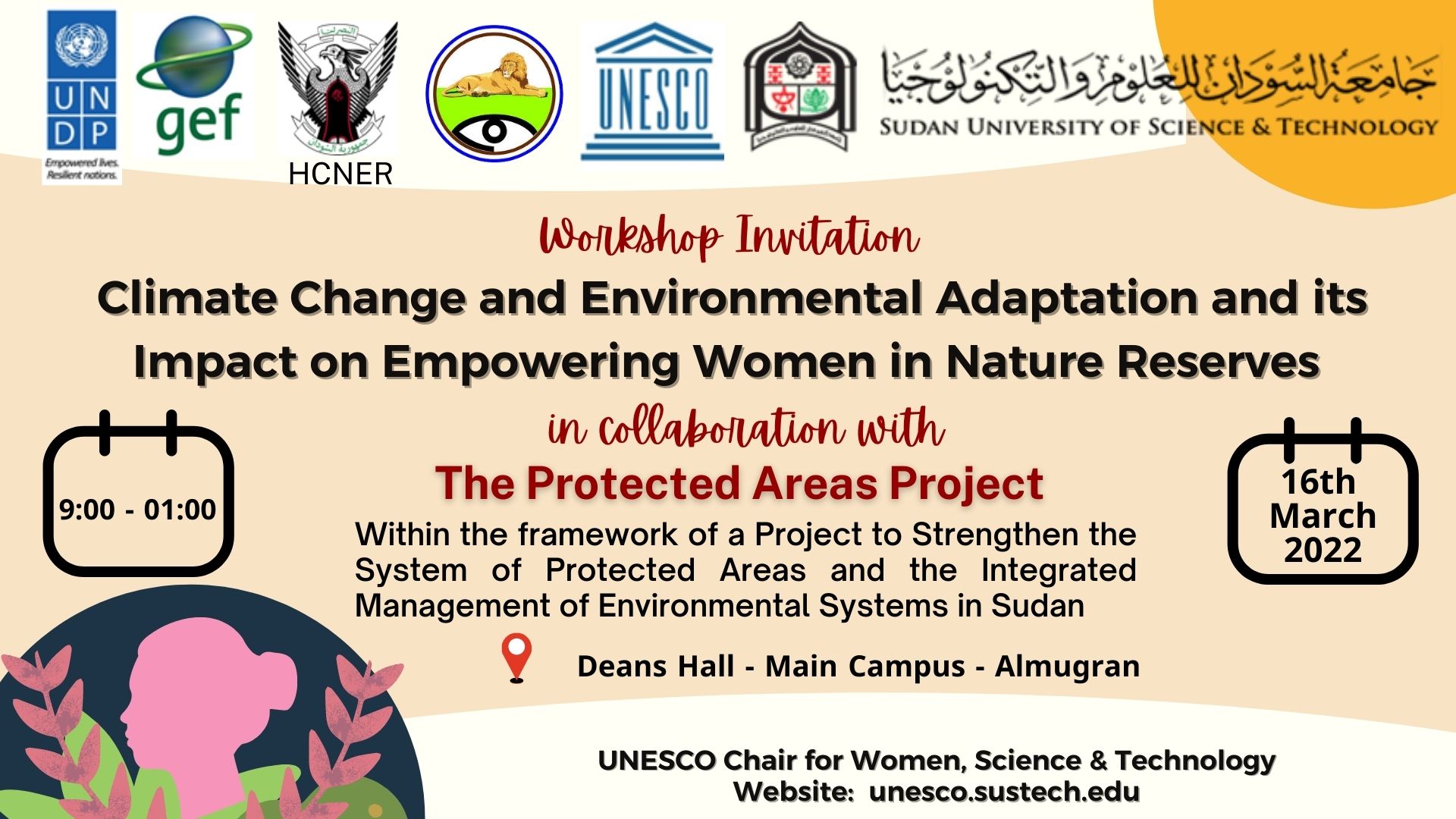
Workshop Invitation: Climate Change and its Impact on Women in Natural Reserves

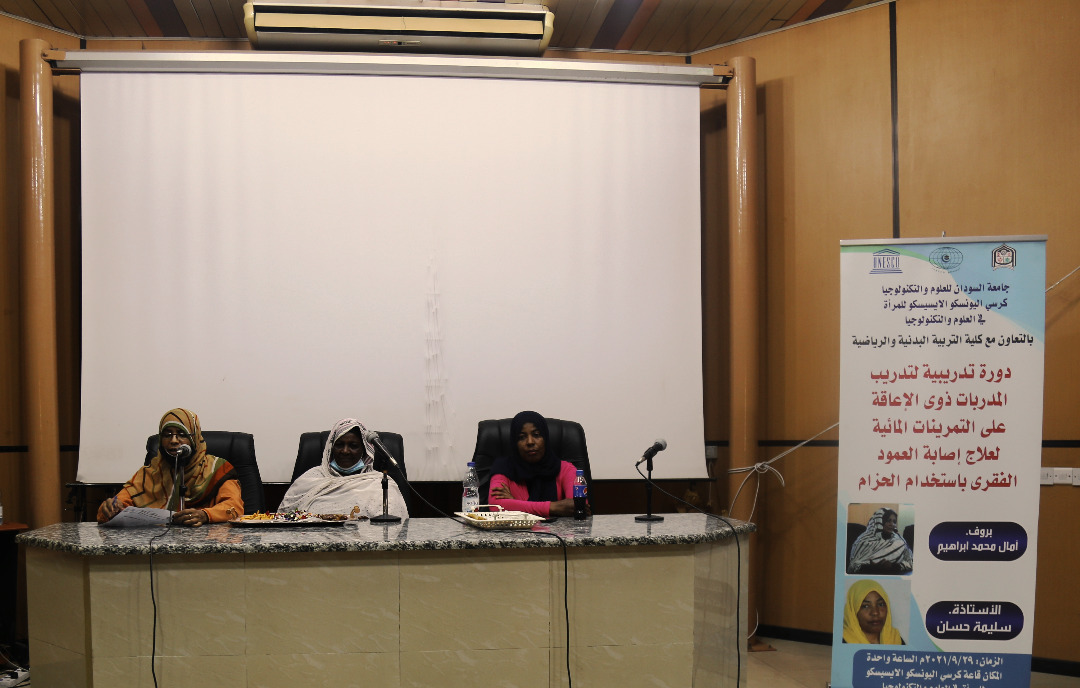
A ToT Course for Females on Water Exercises for Individuals with Disabilities

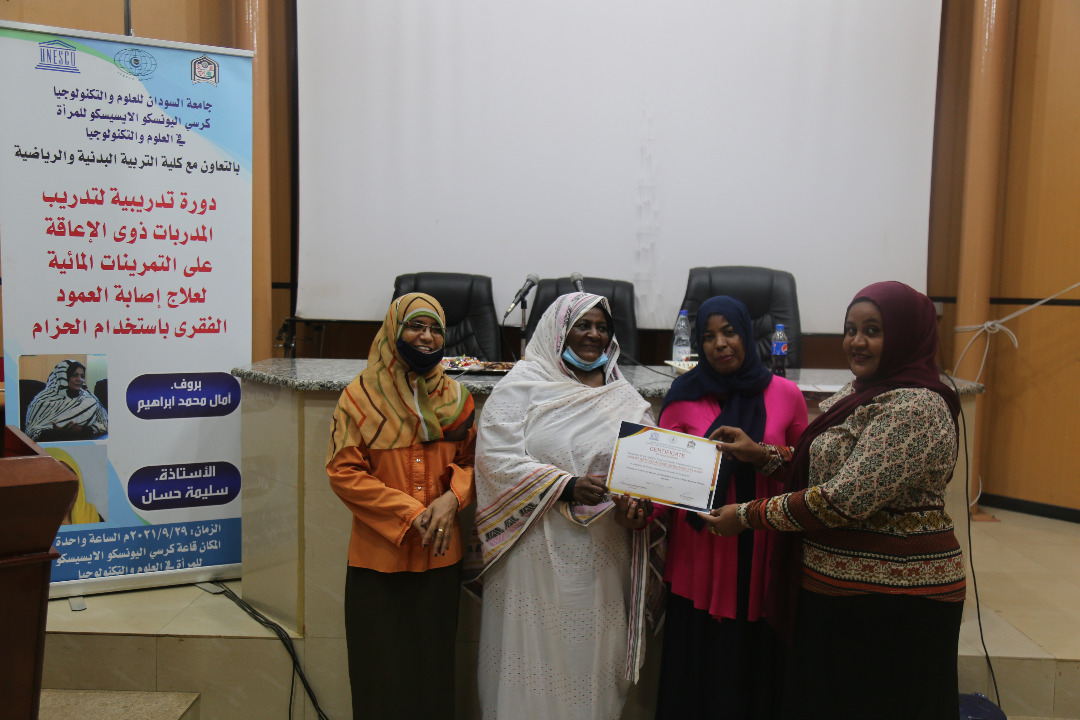
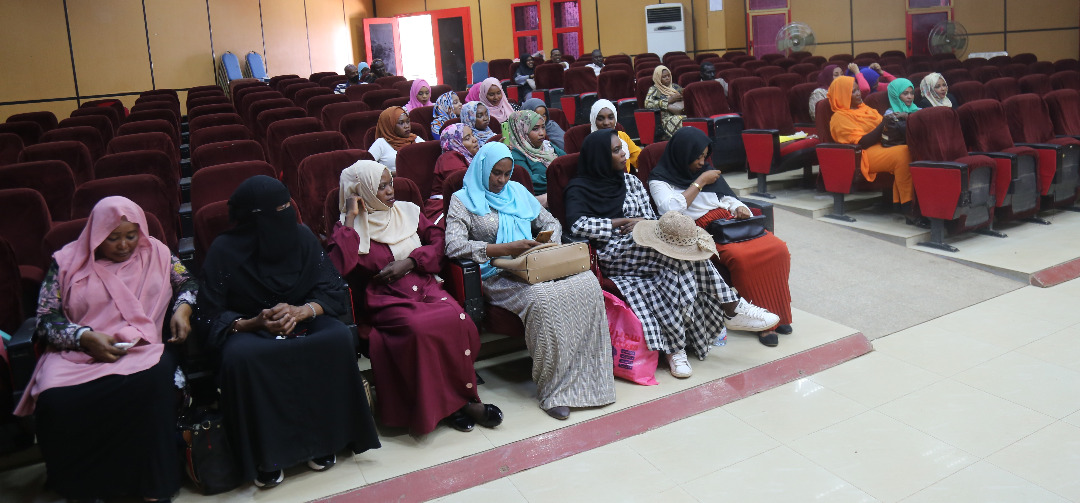
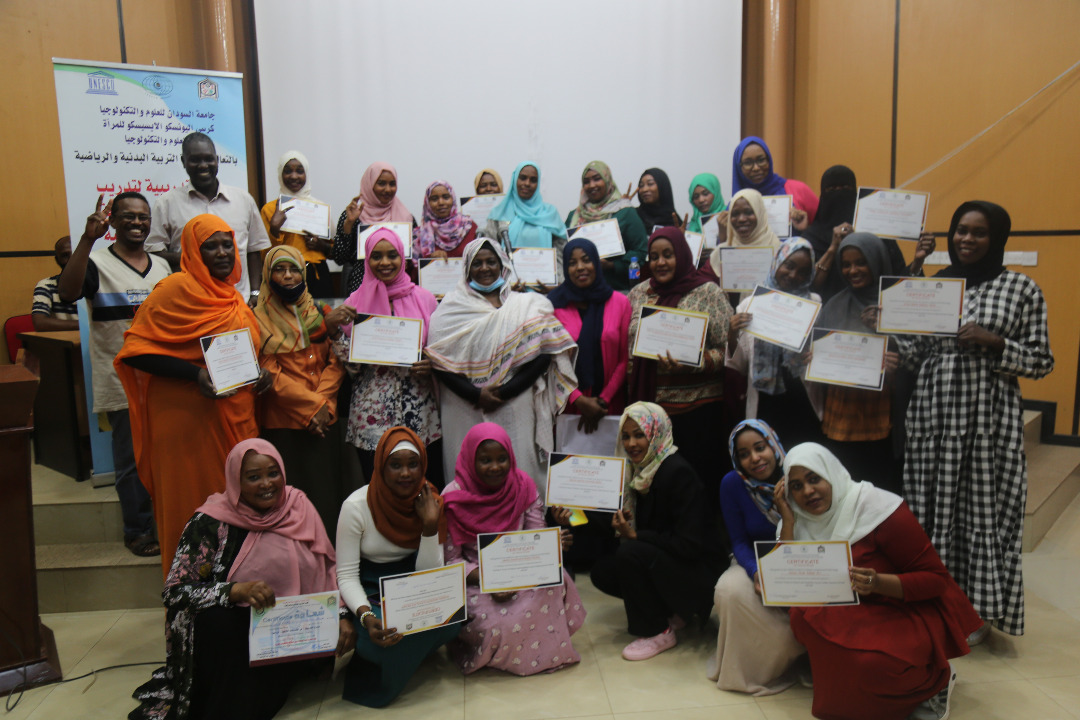
The closing ceremony was held, in the main campus, for the training course for female trainees on "water exercises for disabled individuals" using the medical belt for people with disabilities. The course was organized by UNESCO-ISESCO Chair for Women in Science and Technology in cooperation with the College of Physical Education and Sports from 30/9 to 16/10/2021. The ceremony was attended by Prof. Amal Mohamed Ibrahim Babiker, UNESCO chairholder, Dr. Tayseer Mohamed El-Amin, representative of the Deanship of Scientific Research.

Prof. Amal Mohamed Ibrahim Babiker expressed her happiness with the training course due to its importance, privacy and targeting of an important segment of society. "We must provide large numbers of experiences in the field of physical therapy and hydrotherapy in the middle of the belt, which positively affects the health of people with disabilities", she added.

She also revealed that the training utilized the swimming pool at the college of Physical Education and Sports, and that through the training course, 29 female employees of the university were targeted over a period of three weeks, noting that this work should be enhanced further by introducing many partnerships with relevant institutions.

Prof. Amal Babiker also noted the need to deal with the means and centers of scientific research to convey ideas and visions and exchange knowledge about the process of modernization and development.

Prof. Amal Babiker also indicated that training opportunities provide work spaces for earning a living and a decent livelihood. She also promised that the upcoming courses will be advanced in the same field and will accommodate young candidates of both sexes for the benefit of all. At the end of the celebration, certificates were distributed to the trainees, amid the interaction and happiness of all attendees.

Malik Agar Reviews the UNESCO-ISESCO Chair Projects for Women in the Blue Nile Region

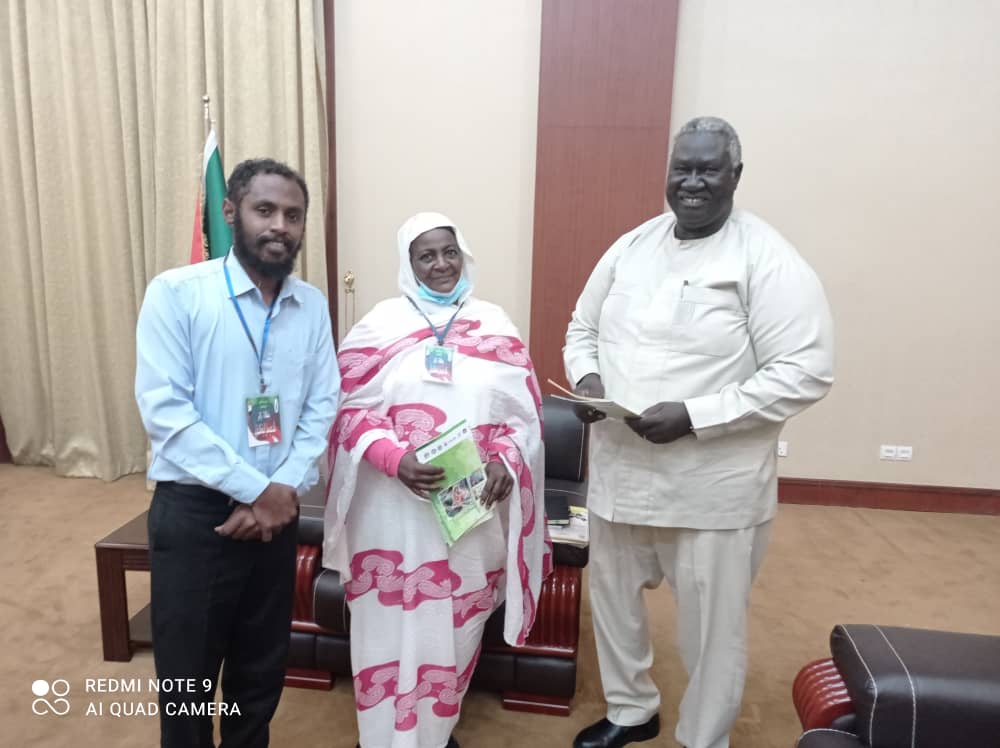
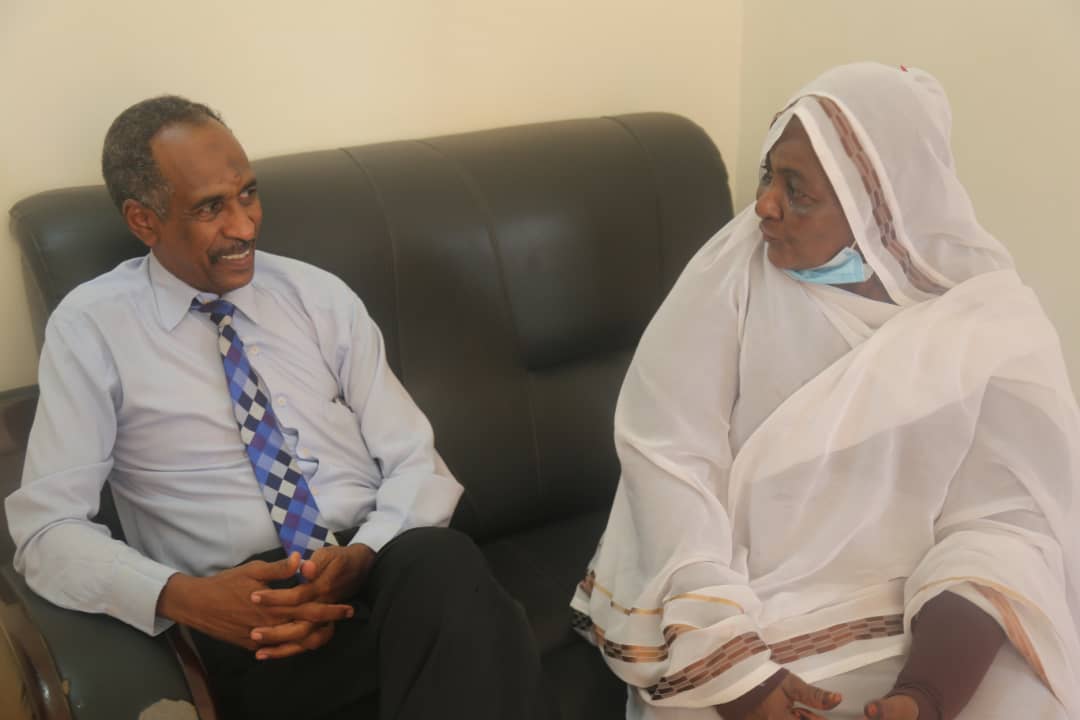
A member of the Transitional Sovereignty Council, Mr. Malik Agar, was briefed on the development projects and programs that will be implemented by the UNESCO-ISESCO Chair for Women in Science and Technology at Sudan University of Science and Technology in Blue Nile State, and the possibility of harnessing them to serve rural women in the region.

The meeting with Prof. Amal Mohamed Ibrahim, the UNESCO Chairholder, took place in Mr. Agar's office, in the presedential palace. Mr. Agar promised to follow up on projects and overcome all obstacles facing their implementation, praising the great role of the UNESCO Chair in support of sustainable development and resettlement in the Blue Nile.

On the other hand, Prof Amal Mohamed Ibrahim explained that the UNESCO-ISESCO Chair for Women has prepared multiple development programs in the field of agricultural industrialization, recycling and the sustainability of seasonal agriculture through the creation of the agricultural environment, in addition to accompanying awareness programs, especially on women's and children's health, that begin with the celebration of Pink October to raise awareness of breast cancer.

"The Chair's programs aim to raise awareness, rebuild and achieve development in a way that enhances efforts to bring peace and stability to the Blue Nile" she commented.

A Workshop on Women’s Role in Manufacturing

Prof. Amal Babiker Mohamed Ibrahim, chairholder of UNESCO ISESCO Chair in Women, demanded the necessity of working in the field of agricultural industrialization during the agricultural seasons, which leads to abundance, stability and benefit from the added value of resources, where the main issue being that a lot of vegetables and fruits are wasted due to poor storage and preservation. This was pointed out during the workshop on "Women's Role in Agricultural Manufacturing", which was held by the chair.

Prof. Amal Ibrahim also pointed out that the Chair carried out a number of studies during the past year that resulted in projects that need only funding. She called for the necessity of establishing seasonal camps to facilitate the use of the existing crops for local consumption and export, and to stop wasting hard currencies.

Mr. Omar Ibrahim Babiker, representative of the Egyptian Agricultural Bank, praised the chair's initiative in the field of rural development, especially for women and the Agricultural Bank supports this development in all parts of Sudan through the Agricultural Bank of Sudan Microfinance Initiative (ABSUMI).

It is noteworthy that the workshop was attended by a qualitative presence of representatives of the Central Bank of Sudan, the General Secretariat of the Zakat Office and the Ministry of Animal Wealth, Agriculture, Agricultural Wealth, Livestock and Livestock Resources.

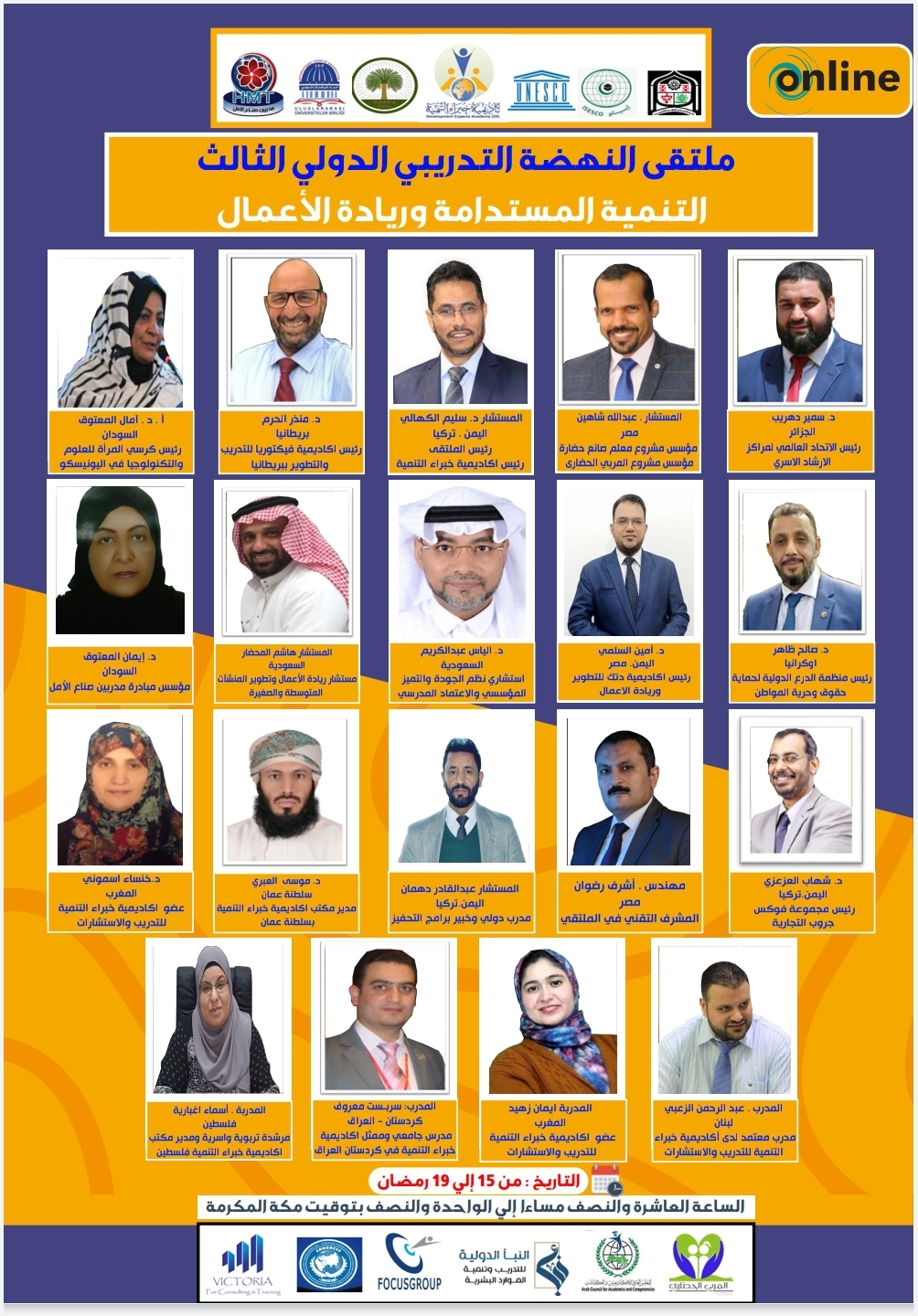
DEA Renaissance International Training Forum III

Accompanied by an elite of training and entrepreneurship experts, and after the great success of the previous two meetings, the Development Experts Academy (DEA) for Training and Consulting organizes,

Renaissance International Training Forum III

Under the title:

Sustainable development and entrepreneurship

Under the auspices of the UNESCO Chair for Women in Science and Technology, Hadara Dates Company, the International Federation of Universities and the Arab Council for Academics and Competencies.

Date and Time
15 - 19 Ramadan
10:30 Mecca Time
Registration
Forum details in the registration and participation form at the following link.
Info

For inquiries and follow-up news and instructions of the forum, you can join one of the forum's groups on WhatsApp via the following links
(Please join only one group from the forum group)

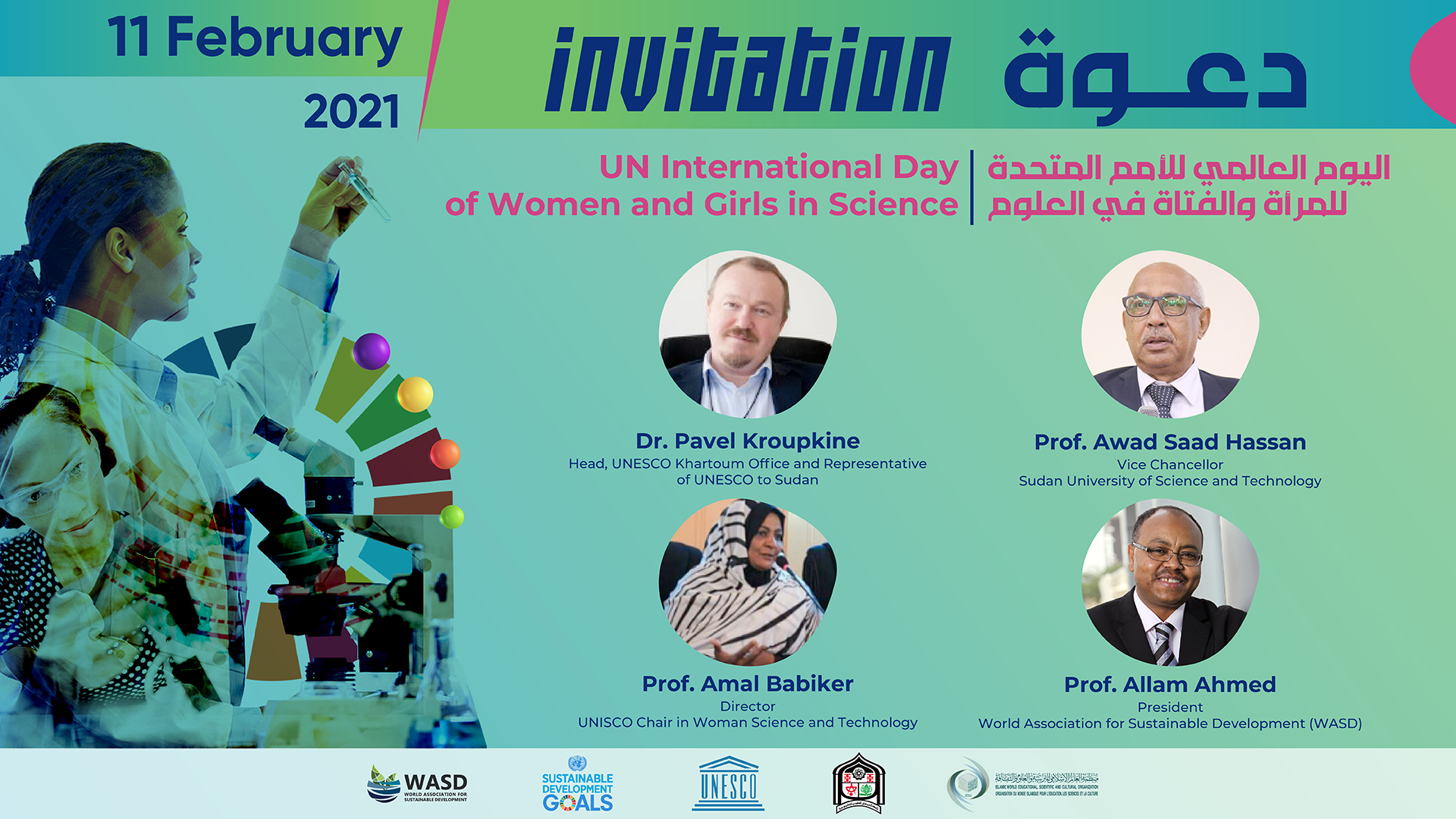
Event Program: UN International Day of Women and Girls in Science

Opening Session (10:00 to 11:20)

Keynotes and Honoring of Distinguished Scientists by UNESCO Chair for Women in Sciences and Technology

Prof_Aisha_Alsaeed
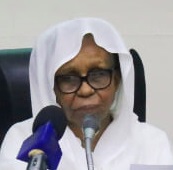
H. E. Mrs. Aisha Musa Al Saeed

Member, Transitional Sovereignty Council Government of Sudan

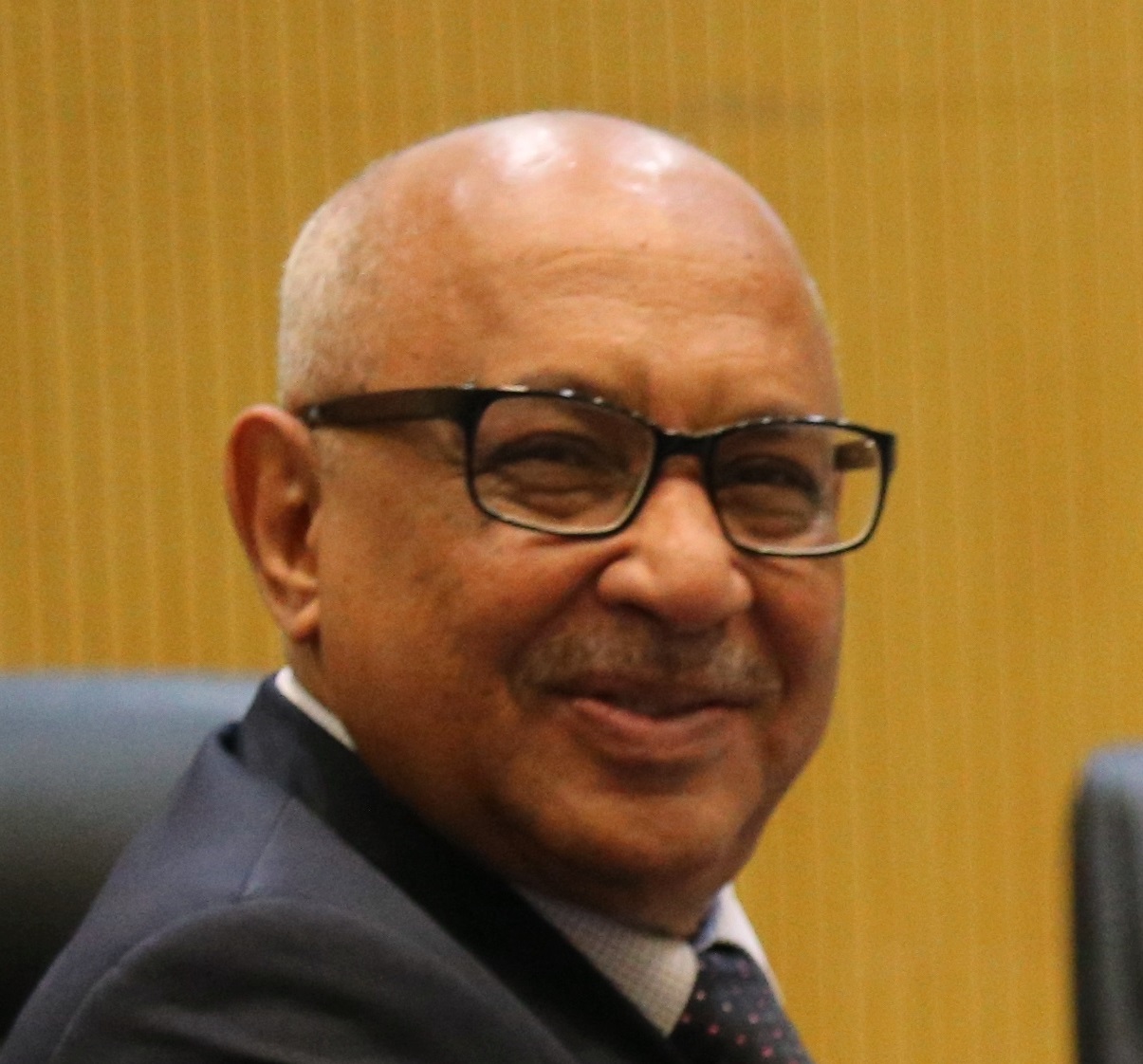
H. E. Prof. Awad Saad

Vice Chancellor, Sudan University of Science and Technology

Prof_Awad_H_Saad
Prof_Intisar_Soughayroun
H. E. Prof. Intisar Al-Zein Saghiroun

Minister of Higher Education and Scientific Research, Sudan

ana
H. E. Dr. Ana Persic

Executive Secretary, L’Oréal-UNESCO Programme

H. E. Prof. Amal Babiker

Director, UNESCO Chair for Women in Sciences and Technology

Prof_Amal2
Pavel-
H.E. Dr. Pavel Kroupkine

Head of UNESCO Khartoum Office

allam
H. E. Prof. Allam Ahmed

ounding President, World Association for Sustainable Development (WASD)

Mrs. Wafaa Seed Ahmed

Secretary General, Sudanese Commission for Education, Science and Culture, Sudan

WAFAA
AichaBammoun
Dr. Aicha Bammoun

Director of Project and Consultant on STI, Women in Sciences and Big Sciences , Rabat, Kingdom of Morocco

First Technical Session (11:20 to 12:00)

Keynotes and Honoring of Distinguished Scientists by UNESCO Chair for Women in Sciences and Technology

Obstetric Fistula, FGM and Beyond: A New Way Forward

SOHEIR-ALNILE

Dr. Sohier Elneil

Consultant Urogynaecology and Uro-neurology, Women’s Health, University College London and Royal College of Obstetricians and Gynaecologists, UK

Genetic analysis of Generalized epilepsies in a Sudanese cohort and functional validation in the model C. elegans

M-A-H-A-D-A-H-A-W-I

Maha Dahawi

PhD Student, Biological Sciences Joint programme of the Faculty of Medicine, University of Khartoum (Sudan) and Brain and Spine Institute (ICM), Sorbonne University (France)

Development of new cancer treatments using ground-breaking synthesis methodology based on garlic-like compounds

DOAA

Doaa Mohamed Alamin Abdalla Ali

PhD Student, University of Cape Town, South Africa and Winner of L'Oréal-UNESCO Award for Women Researchers

Break (12:00 to 12:30)

Second Technical Session (12:30 to 13:10)

Diagnosis of covid-19 using diagnostic radiology for chest

CAROLINE

Professor Caroline Edward Ayad Khilla

Professor of Diagnostic Radiology, College of Medical Radiological Science, Sudan University of Science and Technology, Sudan

Production of agrofiber based panels for innovative industrial applications

ZEINAB-ABDELRAHIM-OSMAN

Professor Zeinab Abddelrahim Osman

Director, National Research Centre, Sudan

Effect of allelolpathy of some plants on striga (Stiga hermonthica) and sorghum (Sorghum bicolor) growth

Samia-Osman-

Professor Samia Osman Yagoub

Manager, Weed Science Centre, Sudan University of Science and Technology

Third Technical Session and Closing (13:10 to 14:00)

Incoming Event: UN International Day of Women and Girls in Science


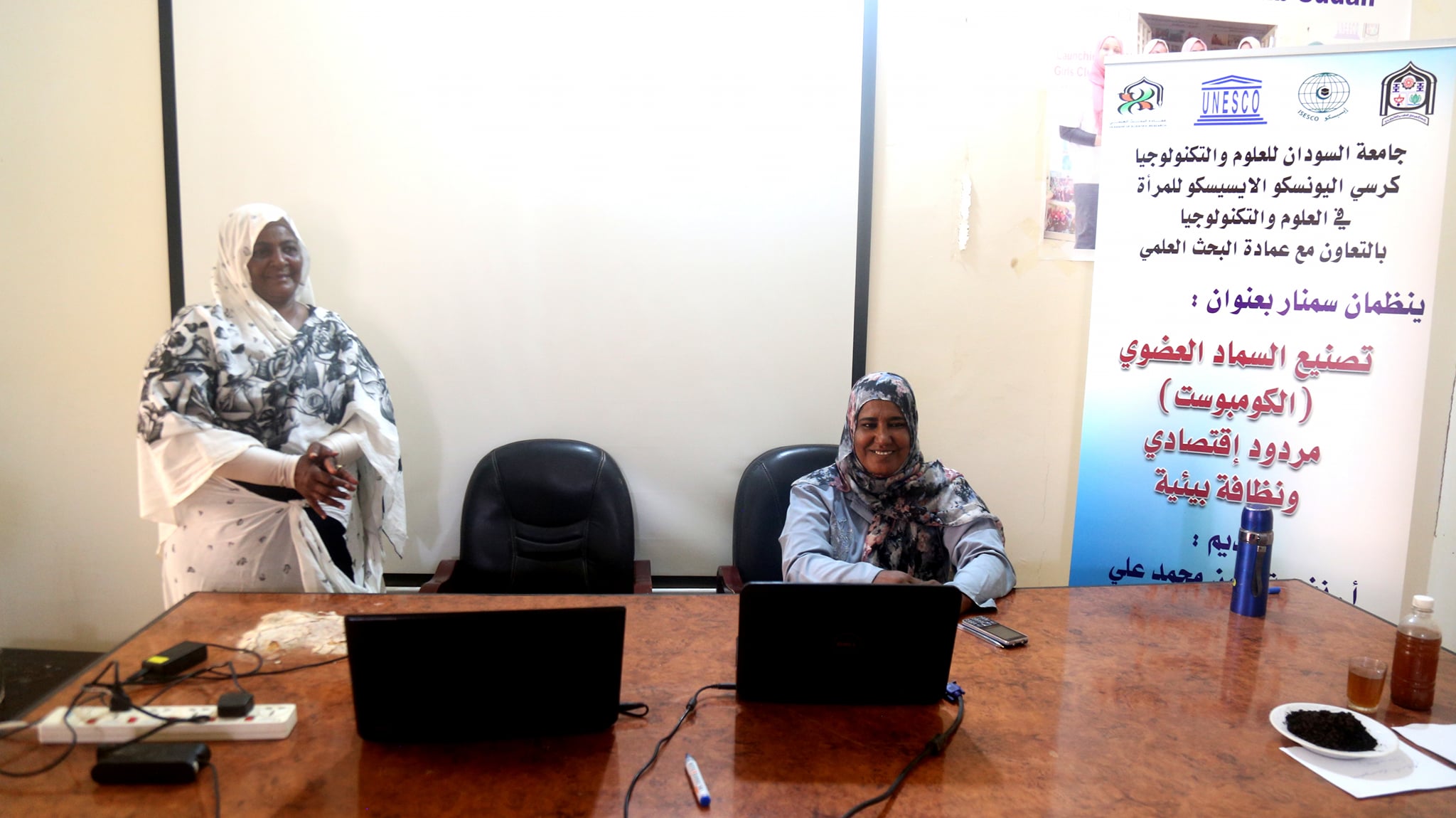
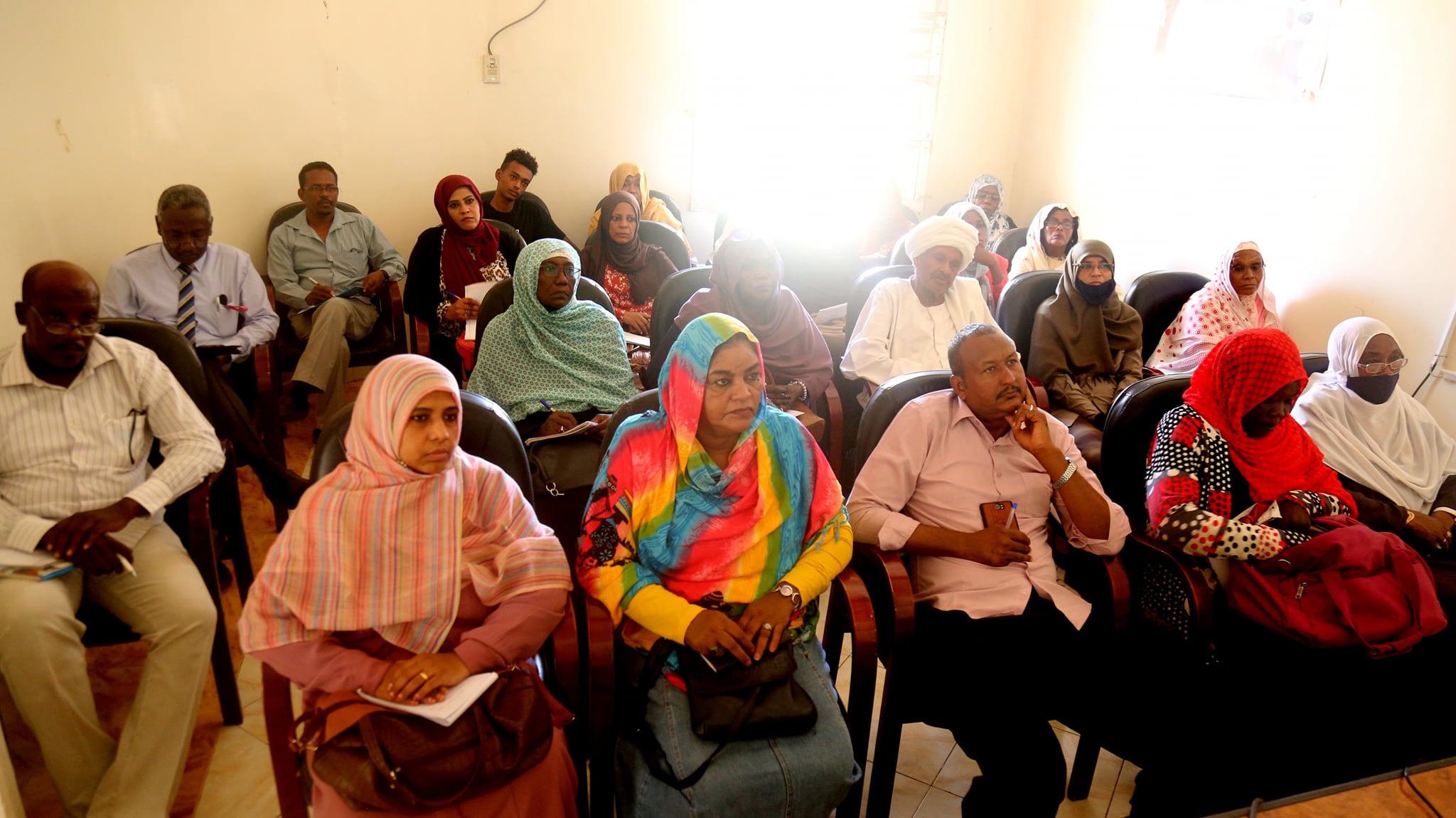
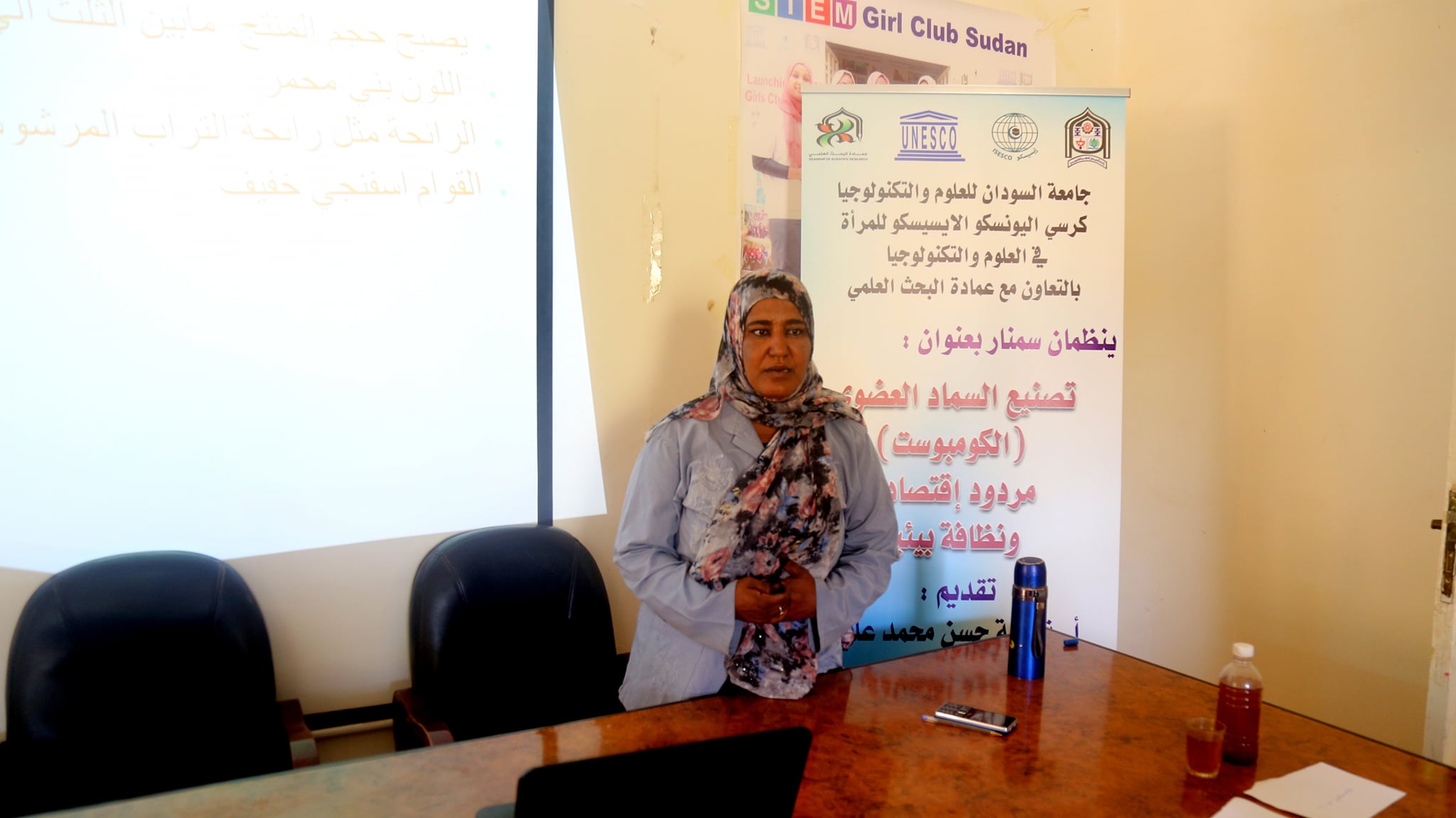
UNESCO Chair Embraces the Economic Conference Recommendations and Promotes the Production of compost

The UNESCO Chair for Women in Science and Technology, in collaboration with the Deanship of Scientific Research at Sudan University of Science and Technology, organized a scientific seminar entitled


"Compost as an Economic Resource and Environmental Hygiene",


which comes within the framework of implementing the outputs of the National Economic Conference Recommendations. The seminar presenter is Prof. Nafisa Hassan Mohammed Ali, an agricultural expert at the Federal Ministry of Agriculture.


Prof. Amal M. Ibrahim, UNESCO  Chairholder, and explained that the seminar comes in the light of the identification of mechanisms to support the national economy, which contribute to the resolution of many issues through scientific research. She also emphasized on the great role of scientists, in taking advantage of simple solutions that may yield high economic value in times of crisis. For example, treating soil with organic fertilizers (compost), which helps crops and plants to grow better and gives them optimal nutritional value.

Prof. Nafisa Hassan Mohammed Ali, the seminar presenter, stressed that waste-recycling represents a national wealth and a strategy, through which accumulated waste is disposed of in the best way after collecting, sorting and converting it into organic and industrial components. She explained that animal and plant waste is accumulating in the majority of all states of Sudan, and is not exploited properly.

The seminar has focused on compost, as the result of the degradation of organic matter by microorganisms under environmental conditions controlled by several factors. It is forbidden to use meat, oils, milk derivatives and disease-carrying plants. Compost production methods are divided into aerobic, anaerobic, traditional, and the matrix method, and characterized by the fast hot method as the best way to make (compost). Also, Prof. Nafisa H. M. Ali added that the goal of the orientation is to use organic fertilizers for agriculture using technical packages to reduce the use of chemical fertilizers.

 The seminar came up with several recommendations, most notably on raising the awareness of families to allocate specific areas for waste in homes, educating farmers about the harms of soil and industrial fertilizers and the importance of using organic fertilizers, encouraging the state in an integrated way to use organic fertilizers, intensifying and expanding the work through training courses, activating the role of agricultural extension and plant protection, taking advantage of all animal and plant wastes and turning them into organic fertilizer by scientific methods, utilizing organic fertilizer as a value and an investment economic resource, the ease of working compost in the house to be used in fertilizing the soil for home planting, contributing to hygiene and raising soil fertility and properties for a long time.


Shares